Adaptive Reward Syncing Across VR Interfaces and Live Market Feeds for Slot Enthusiasts
Harper Günther · Jul 10, 2026
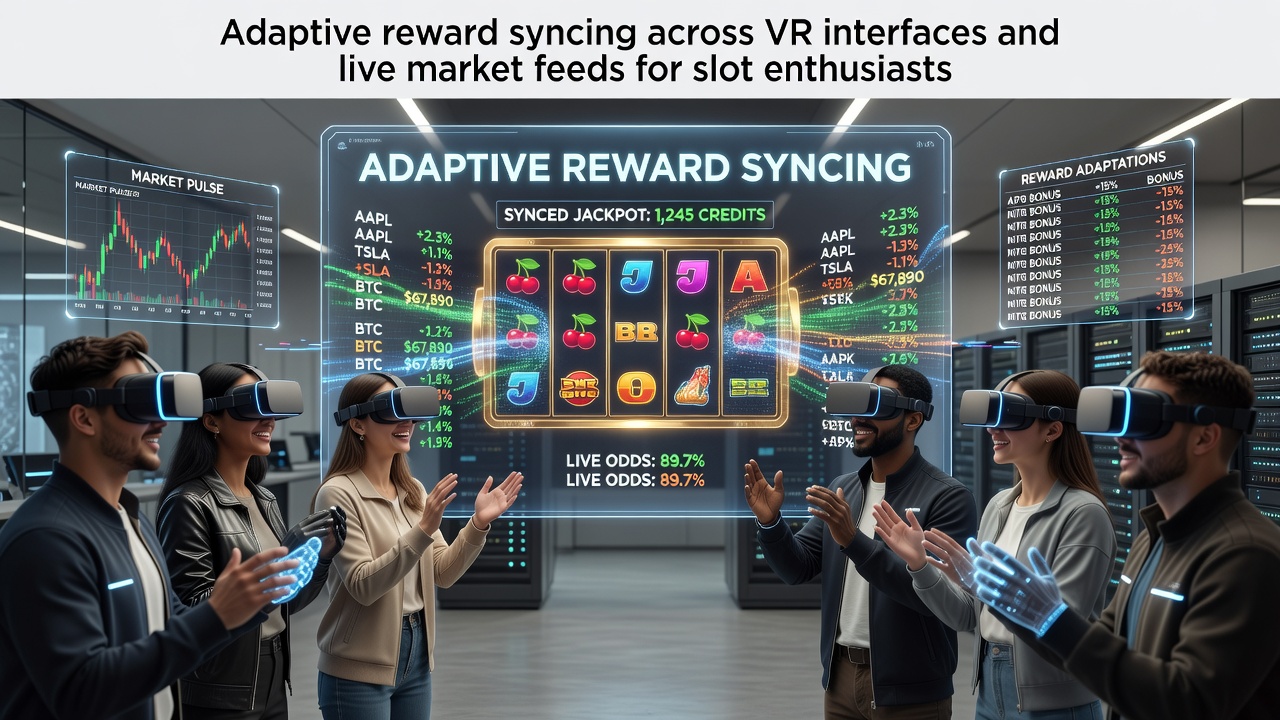
Adaptive Reward Syncing Across VR Interfaces and Live Market Feeds for Slot Enthusiasts
Adaptive reward syncing connects virtual reality slot environments with real-time market data streams to adjust player incentives based on external conditions and individual session metrics. Systems pull live feeds from financial indices, commodity prices, and event-driven triggers then map those inputs directly into bonus structures inside VR platforms. Developers integrate these feeds through application programming interfaces that update reward parameters every few seconds while users remain immersed in three-dimensional casino spaces.
Core Mechanisms Behind VR and Market Integration
VR interfaces for slots now incorporate motion tracking sensors and eye-gaze analytics that feed into central reward engines. These engines cross-reference user behavior patterns with incoming market signals such as currency fluctuations or sports outcome probabilities. When a particular index moves beyond a preset threshold, the system can automatically unlock tiered multipliers or additional free rounds without requiring players to exit the virtual environment. Data from industry testing shows latency remains under 200 milliseconds for most synchronized updates in controlled trials conducted through mid-2026.
Live market feeds originate from licensed data providers that supply continuous streams on equities, forex pairs, and betting market odds. Slot platforms subscribe to these streams through secure channels that comply with regional gaming regulations in jurisdictions including Nevada and several Australian states. The feeds undergo filtering algorithms that isolate relevant variables before transmission to the VR reward layer, which prevents overload on the rendering pipeline while maintaining accuracy across thousands of concurrent sessions.
Implementation Patterns Observed in 2026 Deployments
Operators began rolling out full adaptive syncing features in commercial VR slot titles during the first half of 2026. One deployment in Las Vegas properties links slot reel outcomes to S&P 500 movements, creating dynamic win probabilities that shift in response to market volatility. Another system in European test markets ties bonus frequency to major sports fixture results, allowing rewards to scale according to real-time betting market activity. These configurations rely on redundant server clusters that maintain synchronization even during brief feed interruptions.
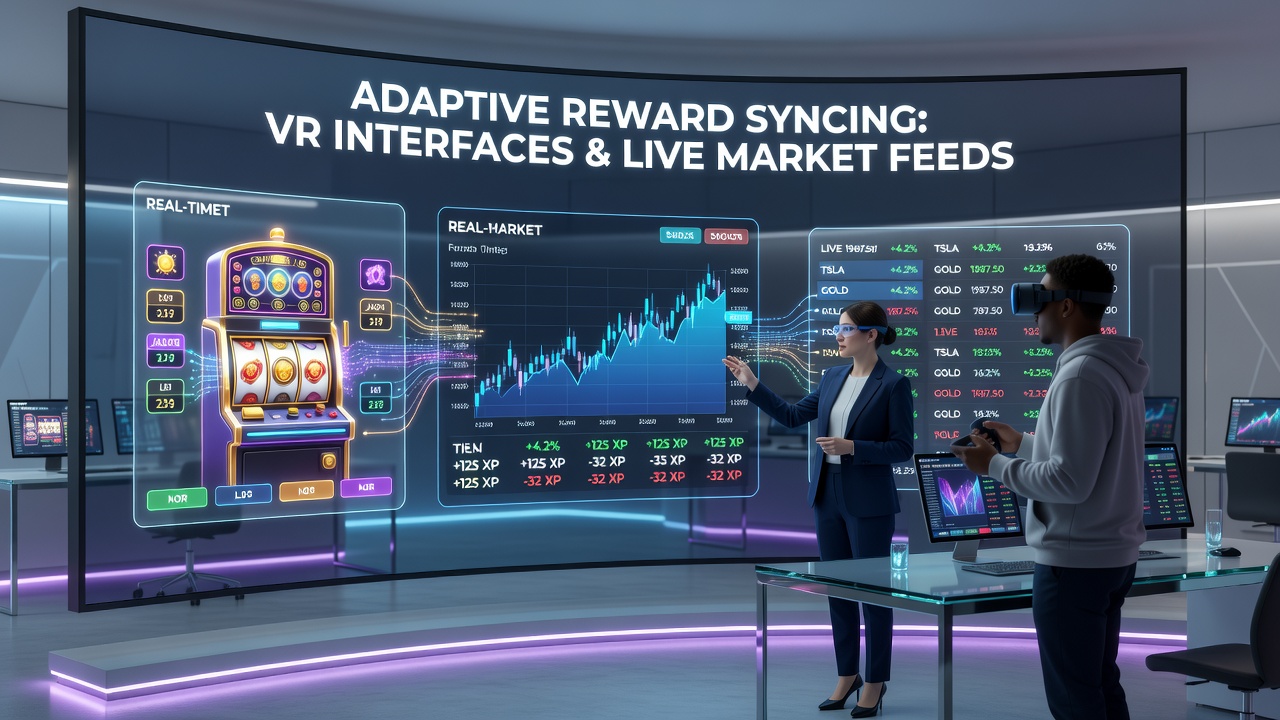
Technical standards emerging from the Gaming Laboratories International framework guide how these integrations undergo certification. Certification processes evaluate both the accuracy of market data mapping and the fairness of resulting reward distributions. Testing protocols require simulation of extreme market swings to confirm that adaptive systems do not introduce unintended biases into payout percentages.
Player Experience and Data Handling Practices
Users access adaptive features through VR headsets equipped with haptic feedback modules that signal reward changes through subtle vibrations. Session data remains segmented so that market-triggered adjustments appear alongside conventional loyalty points without merging the two tracking systems. Observers note that players often discover new engagement patterns when rewards respond to external events, such as increased session length during periods of high market activity.
Privacy controls require explicit consent for feed integration at the account level. Platforms log synchronization events separately from personal identifiers to support audit trails demanded by oversight bodies. Research conducted at the Griffith University Centre for Gambling Research examined data flows in similar environments and documented how segmentation reduces cross-contamination risks between reward categories.
Future Development Indicators for Mid-2026 Onward
Hardware manufacturers continue refining low-latency wireless protocols that support higher-resolution market overlays inside VR scenes. Software updates scheduled for late July 2026 aim to expand supported data sources to include additional regional indices and weather-related event feeds. These expansions will require updated compliance checks across multiple licensing authorities before wider release.
Slot enthusiasts who participate in synchronized environments receive progress summaries that detail which market variables influenced their reward outcomes during each session. Aggregated statistics released by participating operators indicate measurable differences in average session duration when adaptive elements remain active compared with static reward setups.
Conclusion
Adaptive reward syncing represents a technical convergence of VR immersion tools and external data streams that continues to evolve through 2026. Systems maintain separation between market inputs and core game mathematics while delivering responsive incentives to participants. Ongoing certification and privacy measures support continued expansion across additional platforms and geographic regions.