Charting the Development of Multi-Platform Bonus Structures for High-Value Participants in Digital Casinos
Alex Long · Jun 5, 2026
Charting the Development of Multi-Platform Bonus Structures for High-Value Participants in Digital Casinos
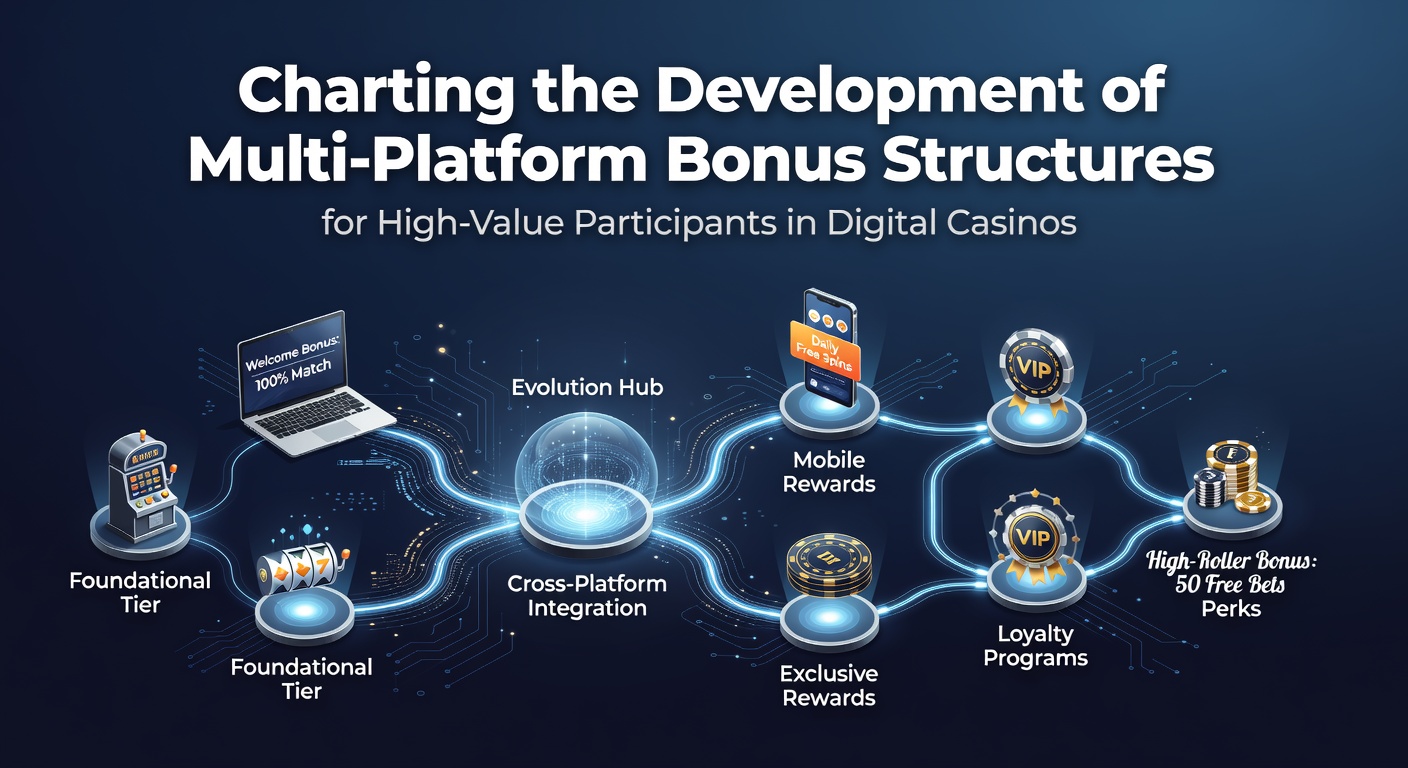
Digital casinos began offering bonuses tied to single platforms in the late 1990s, when desktop computers dominated access and operators delivered fixed welcome packages without cross-device tracking. High-value participants received standard deposit matches that remained locked to one account session, while mobile technology remained years away from widespread adoption. Observers note that these early structures relied on basic player databases which recorded activity only within isolated environments, limiting the ability to reward consistent engagement across different access points.
By the mid-2000s, smartphone adoption pushed operators to develop mobile-optimized sites, yet bonus systems still operated in silos. A high-value participant might claim a desktop deposit bonus on one day and receive no recognition for equivalent mobile play the next. Research from the Australian Institute of Criminology indicates that fragmented tracking contributed to lower retention rates among top-tier players during this transitional period. Operators responded by introducing rudimentary cross-device identifiers, allowing some continuity in bonus eligibility though full synchronization remained incomplete.
Expansion of Cross-Device Integration
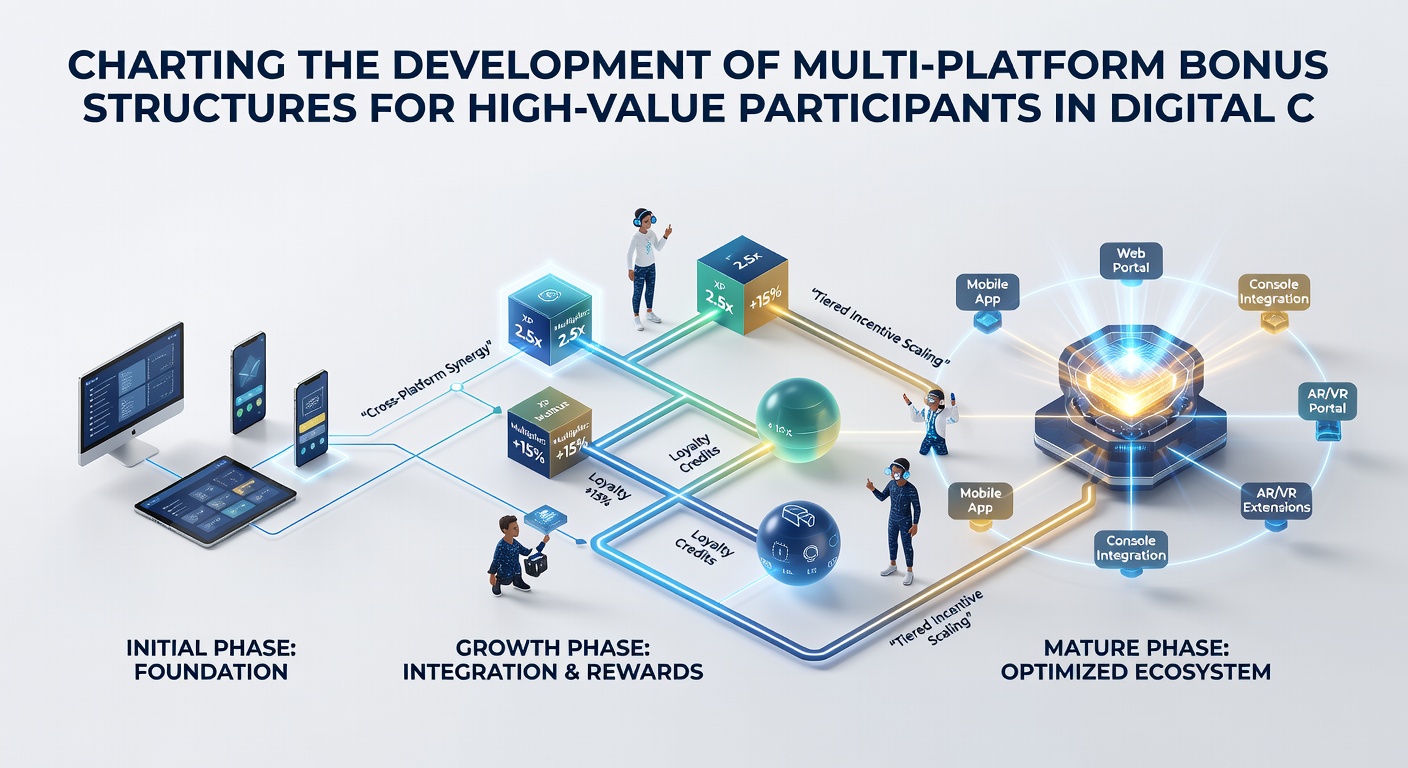
The introduction of dedicated casino applications around 2010 marked a turning point, because developers began embedding unified player profiles that followed users from desktop to tablet to smartphone. High-value participants gained access to bonus structures that adjusted dynamically based on total activity volume rather than isolated platform usage. Data shows these unified profiles enabled operators to calculate lifetime value more accurately, which in turn supported the rollout of personalized incentives such as reduced wagering requirements tied to overall platform engagement.
Those who studied early multi-platform implementations found that cloud-based servers became essential for maintaining real-time synchronization. When a participant triggered a high-roller cashback offer on a desktop session, the same reward appeared instantly within the mobile application without requiring manual claim processes. This seamless transfer reduced friction and increased participation rates according to figures released by the American Gaming Association in subsequent industry reports.
Technical Frameworks Supporting Tiered Rewards
Modern systems employ API connections between platforms to monitor every spin, bet, and deposit from a single account. High-value participants now encounter bonus ladders that escalate across devices, where reaching a predetermined wagering threshold on mobile contributes directly to desktop-exclusive perks. Studies from the University of Nevada, Las Vegas gaming research center reveal that such integrated tracking increased average session lengths among top spenders by measurable margins between 2018 and 2024.
Algorithms assess play patterns across platforms simultaneously, adjusting bonus values in response to device-specific behaviors. A participant who prefers live dealer tables on desktop while using mobile for slot sessions might receive hybrid rewards that combine elements from both categories. This layered approach emerged gradually as data infrastructure matured, allowing operators to maintain consistent reward delivery regardless of access method.
Regulatory Influences on Structure Design
Regulatory bodies across multiple jurisdictions began addressing multi-platform bonus transparency in the early 2020s. Canadian provincial regulators updated guidelines requiring clear disclosure of how cross-device activity factors into reward calculations, while similar updates appeared in Australian state frameworks during the same timeframe. These changes prompted operators to refine their systems so that high-value participants could view unified bonus ledgers showing contributions from every platform.
In June 2026, several European authorities aligned on standardized reporting formats that require operators to document how multi-platform bonuses affect player protection measures. The shift encouraged further technical investment in audit trails that track every bonus modification across devices, ensuring compliance without disrupting the participant experience. Operators adapted by embedding compliance checks directly into their synchronization protocols.
Current Implementation Patterns
Today many digital casinos maintain tiered structures where high-value status unlocks platform-agnostic benefits such as faster withdrawal processing and dedicated account management. These benefits activate automatically once total activity across all devices reaches defined thresholds. Participants who split their time between desktop tournaments and mobile casual play still accumulate progress toward the same reward tiers, because the underlying systems consolidate data streams continuously.
Industry reports highlight that some operators now test location-based modifiers within their multi-platform frameworks. A high-value participant accessing a bonus through a mobile application while traveling might receive adjusted terms compared to home desktop sessions, though core eligibility remains consistent. Such variations emerged from advances in geolocation integration that complement existing player tracking capabilities.
Conclusion
The progression from isolated desktop bonuses to fully synchronized multi-platform structures reflects ongoing technical and regulatory adaptation within digital casinos. High-value participants benefit from unified tracking that recognizes activity regardless of device, supported by cloud infrastructure and refined algorithms. Continued alignment among regulatory bodies, including developments noted in June 2026, shapes how these systems balance participant rewards with compliance requirements across different regions.