Exploring Interconnected Reward Pathways: How Sequential Deposit Matches Influence Player Progression in Virtual Slot Networks
Klara Lehmann · Aug 19, 2026
Exploring Interconnected Reward Pathways: How Sequential Deposit Matches Influence Player Progression in Virtual Slot Networks
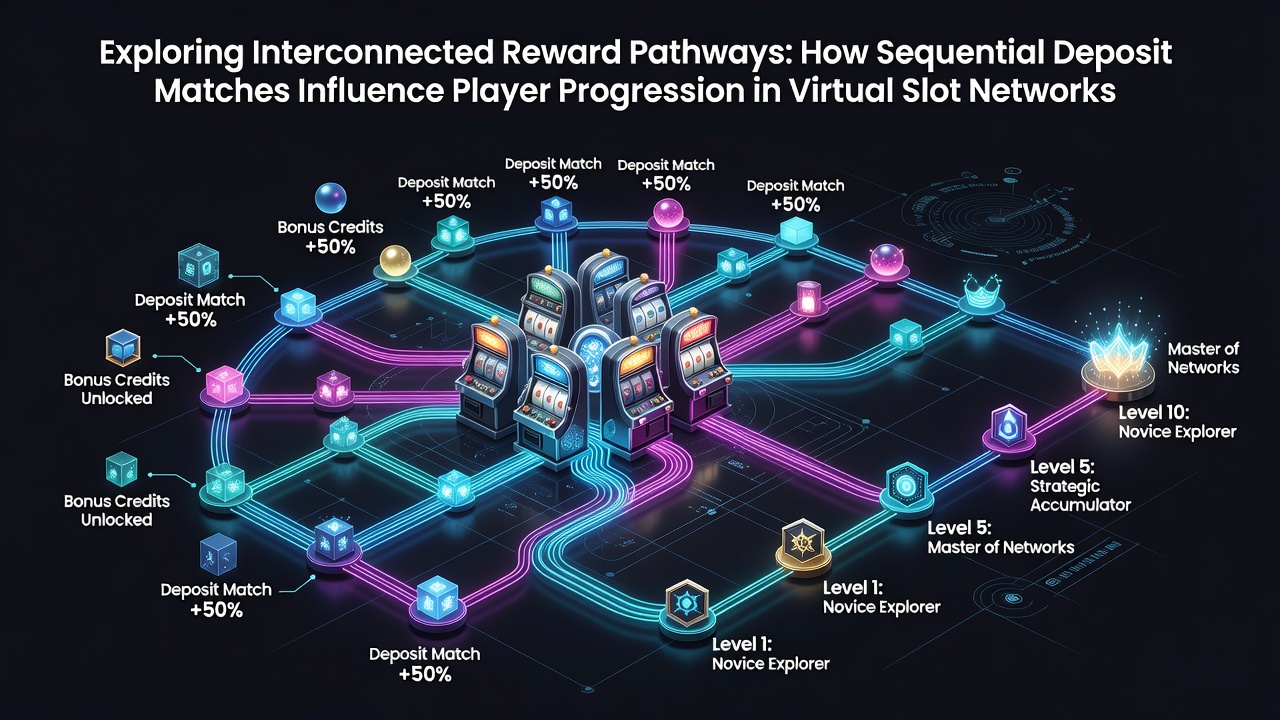
Virtual slot networks rely on layered incentive designs that connect deposit matches across multiple stages, and these structures shape how players advance through game tiers and loyalty systems. Sequential deposit matches typically begin with an initial offer that unlocks a percentage-based boost on the first deposit, followed by reduced or altered matches on subsequent transactions that encourage continued activity within a defined timeframe. Data from industry analyses indicate that these chained mechanisms create pathways where each completed match feeds into progression metrics such as experience points, tier unlocks, or access to higher-volatility slot titles. Operators implement these sequences to maintain engagement momentum, since a player who completes the first match often receives notifications that highlight eligibility for the next tiered offer. Research published by the American Gaming Association shows that networks integrating deposit sequences with progression tracking report measurable shifts in session duration and deposit frequency during promotional windows. In August 2026 several platforms updated their backend algorithms to link match completion directly to slot network leaderboards, allowing accumulated rewards to influence visibility in competitive rankings.Mechanics of Sequential Deposit Structures
Sequential deposit matches operate through predefined rules that adjust bonus percentages based on order and timing. A common pattern starts with a 100 percent match on the opening deposit up to a set limit, transitions to a 50 percent match on the second deposit, and concludes with a 25 percent match or free spin allocation on the third. These percentages connect to player accounts via unique identifiers that track cumulative deposits and apply multipliers only when prior conditions are met. Virtual slot networks embed these rules into their core systems so that progression bars fill automatically upon verification of each match stage.
Observers note that the timing windows between deposits matter because most sequences expire within 7 to 14 days, forcing players to decide whether to continue depositing to secure the full chain. When a player clears the initial match, the system automatically flags the account for the next available offer, which appears in the interface as a highlighted path rather than a standalone promotion. This design reduces decision friction and channels activity toward specific slot titles that contribute to the progression algorithm.
Influence on Player Advancement Metrics
Progression within virtual slot networks often hinges on a combination of wager volume, deposit consistency, and bonus utilization. Sequential matches accelerate advancement because each completed stage adds bonus funds that count toward wagering requirements, thereby unlocking higher loyalty tiers faster than standard play alone would allow. Figures from a 2025 report by the Canadian Gaming Association reveal that players who engage with at least two sequential matches reach mid-tier status approximately 30 percent quicker than those relying solely on organic deposits.
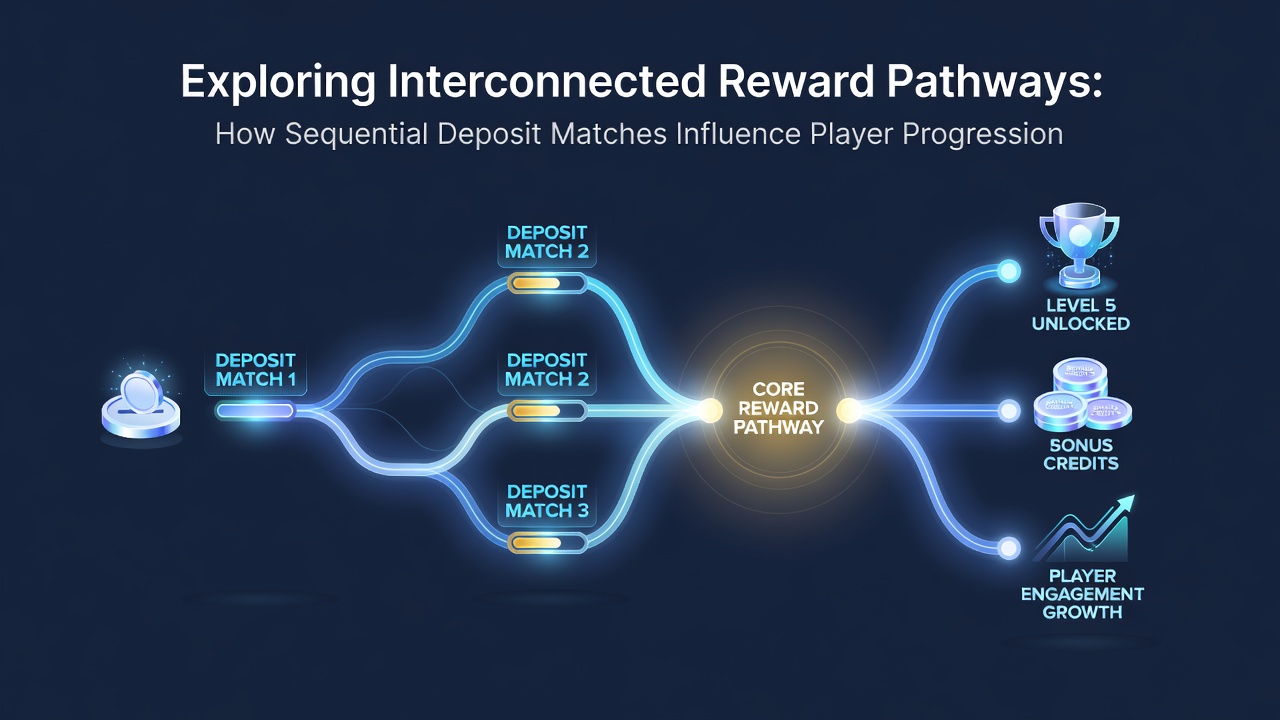
Network operators further tie these matches to interconnected features such as daily login streaks and slot-specific challenges. Completing a deposit sequence can trigger bonus entries into network-wide events, where accumulated points determine leaderboard placement and subsequent reward drops. Those who study these systems observe that the chained structure creates feedback loops: higher tiers grant better match rates on future deposits, which in turn sustain progression velocity. In practice, a player reaching platinum status after a successful sequence sequence gains access to exclusive slot lobbies that feature elevated return-to-player percentages and custom progression challenges unavailable at lower levels.
Network-Level Integration and Data Patterns
Virtual slot networks aggregate data across multiple operators to refine how sequential matches interact with broader player graphs. When one platform records a completed match sequence, shared ledgers or API connections allow affiliated sites to recognize the player's progression status and present synchronized offers. This interconnection means that advancement achieved on one network node can influence eligibility on another, creating a unified pathway rather than isolated experiences. Studies from the University of Nevada's gaming research center indicate that such cross-network recognition correlates with increased retention rates during the months following sequence completion.
August 2026 updates to several major slot networks introduced real-time dashboards that display how current deposit sequences contribute to overall network standing. These dashboards pull from centralized databases that log deposit order, match amounts, and resulting tier movements, giving players a transparent view of their trajectory. Patterns extracted from anonymized datasets show that sequences involving three or more deposits produce the strongest correlation with long-term tier retention, while single-match engagements tend to plateau earlier in the progression curve.
Conclusion
Sequential deposit matches function as connective tissue within virtual slot networks by linking immediate financial incentives to sustained progression milestones. The structure encourages ordered deposit behavior that feeds directly into tier advancement, leaderboard positioning, and cross-platform recognition. Available data demonstrate that these pathways alter the pace at which players move through reward layers, and ongoing refinements in August 2026 continue to tighten the integration between match completion and network-wide status. As operators expand these systems, the relationship between deposit order and player trajectory remains a central element of virtual slot network design.