How Leaderboard Competitions Influence the Distribution of Personalized Incentives in Digital Wagering Communities
Amir Koch · Jul 6, 2026
How Leaderboard Competitions Influence the Distribution of Personalized Incentives in Digital Wagering Communities
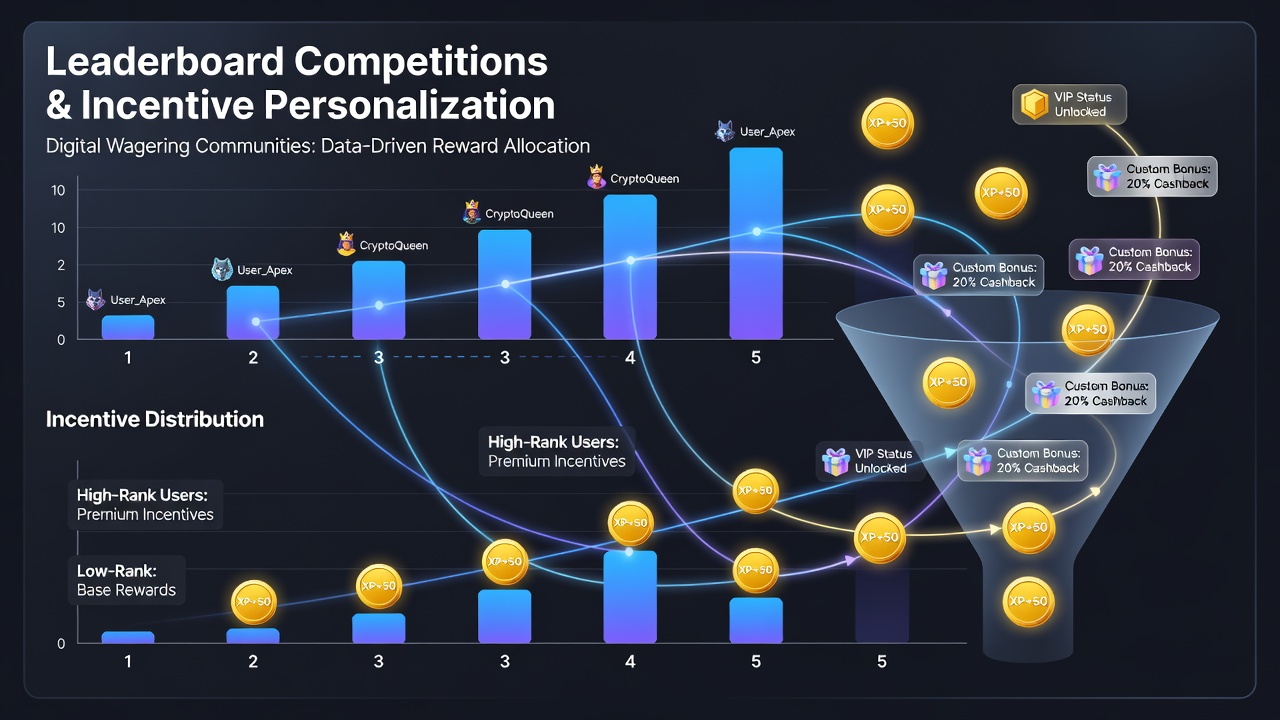
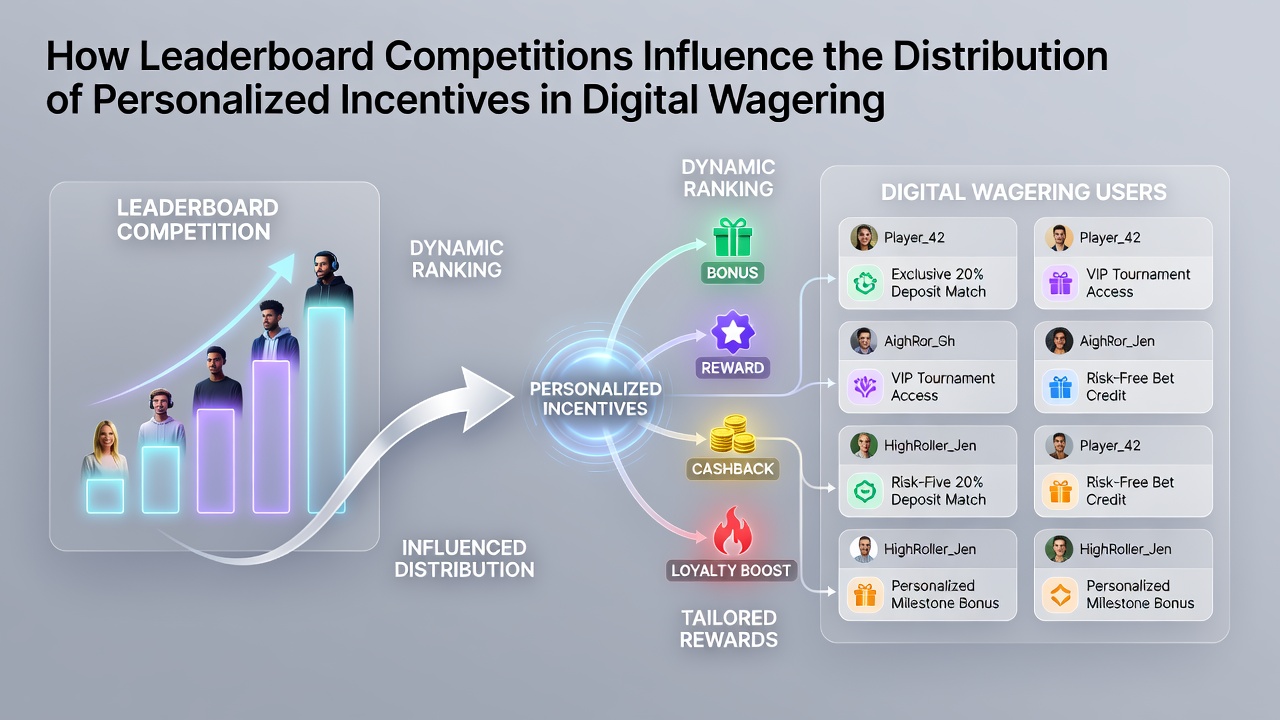
Leaderboard competitions have become a core mechanism in digital wagering communities where platforms rank participants according to metrics like wager volume, win frequency, and session duration. These rankings directly shape how personalized incentives get allocated, moving away from uniform bonus structures toward dynamic distributions that favor higher-ranked users. Data from multiple platforms indicate that top performers receive customized offers such as enhanced cashback percentages, tailored free bet amounts, and access to private tournaments, while lower-ranked participants encounter more standardized rewards. The process begins with algorithmic tracking systems that compile performance data in real time. Platforms feed this information into ranking algorithms that update leaderboards hourly or daily, and those positions trigger automated incentive engines. Research indicates that participants who climb into the top 10 percent often see their reward multipliers increase by factors of two to five compared with baseline offers, creating a feedback loop where sustained high activity maintains elevated incentive levels.Mechanics of Ranking and Incentive Allocation
Observers note that leaderboard systems rely on weighted scoring models incorporating both volume-based and consistency-based variables. A player completing 500 wagers in a week might outrank someone with fewer but larger individual bets, depending on the platform's formula. Once rankings stabilize, distribution engines match user profiles to incentive tiers, pulling from databases of historical play patterns to generate offers like deposit matches scaled to recent activity or loyalty point accelerators that apply only during specific windows.
In July 2026 several major digital wagering operators adjusted their algorithms to include social engagement metrics alongside traditional play data, which shifted incentive flows toward users who also participated in community forums and referral programs. This change produced measurable differences in reward personalization, as users with combined high rankings and community involvement received invitations to invite-only events and accelerated progression through loyalty levels.
Effects on User Segmentation and Reward Personalization
Those who have examined platform operations report that leaderboard positions create distinct user segments that receive differentiated treatment. Top-tier users gain access to dynamic pricing on certain games along with personalized loss limits that convert into bonus credits, whereas mid-tier participants receive periodic reload bonuses tied to maintaining their position. Lower-ranked users encounter incentives focused on re-engagement, such as time-limited deposit boosts that encourage increased activity to improve future rankings.
Platforms integrate these systems with customer relationship management tools that adjust offers based on predicted lifetime value derived from leaderboard trajectories. Evidence shows that when a user maintains a top-50 position for consecutive weeks, the probability of receiving custom rebate structures rises significantly, often including percentage returns on net losses that exceed standard program rates.
Regional Regulatory Context and Platform Adaptations
Regulatory frameworks in various jurisdictions have begun addressing how leaderboard mechanics intersect with incentive distribution. The Nevada Gaming Control Board has published guidelines requiring transparency in how ranking systems determine reward eligibility, prompting operators to disclose weighting criteria to participants. Meanwhile, reports from the Australian Gambling Research Centre highlight similar developments in Oceania markets where operators must document the connection between competitive rankings and personalized bonus structures.
Industry associations such as the European Gaming and Betting Association have compiled data showing that leaderboard-driven personalization increases overall engagement metrics across participating platforms. These findings reveal that users who receive rank-specific incentives demonstrate longer average session times and higher retention rates compared with those on fixed reward schedules, although exact figures vary by market and product type.
Long-Term Patterns in Incentive Distribution
Longitudinal observations from multiple operators demonstrate that repeated leaderboard success correlates with increasingly customized incentive packages over time. Users who achieve consistent top placements accumulate access to layered reward systems including exclusive game variants, accelerated withdrawal processing, and dedicated account management. This progression creates visible stratification within communities where incentive quality becomes a direct function of sustained competitive performance.
Analysts tracking these trends note that platforms periodically recalibrate ranking thresholds to prevent stagnation at the upper levels, which in turn redistributes incentive opportunities across a broader segment of active users. Such adjustments maintain competitive tension while ensuring that personalized offers continue to reflect current performance rather than historical position alone.
Conclusion
Leaderboard competitions function as primary drivers in the allocation of personalized incentives within digital wagering communities, producing tiered reward structures that respond directly to individual performance metrics. As platforms refine their algorithms and regulatory bodies establish clearer disclosure requirements, the relationship between rankings and incentive distribution continues to evolve. Available data from 2026 demonstrate that these systems generate measurable differences in how rewards reach different user segments, with ongoing adjustments shaping future patterns of engagement and reward access across the sector.