How Payment Networks Shape Eligibility for Layered Rewards in Borderless Digital Wagering Platforms
Klara Lehmann · Jul 27, 2026
How Payment Networks Shape Eligibility for Layered Rewards in Borderless Digital Wagering Platforms
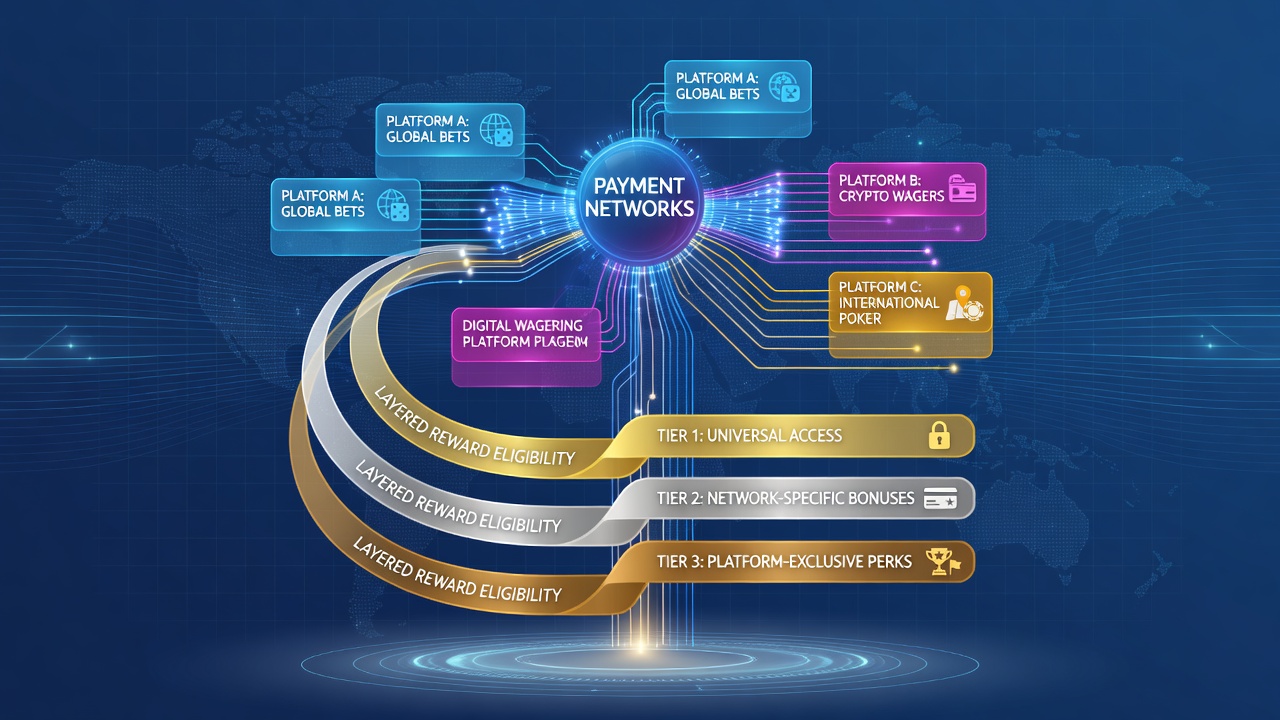
Payment networks determine which transactions qualify users for progressive reward tiers across platforms that operate without geographic restrictions, and these networks set rules around processing times, fee structures, and compliance checks that directly affect deposit eligibility for bonuses and loyalty levels. Traditional card networks such as Visa and Mastercard operate alongside cryptocurrency rails including Bitcoin and stablecoin transfers, each carrying distinct settlement speeds and verification requirements that platforms must align with their reward algorithms. Data from July 2026 shows that platforms using faster networks recorded higher volumes of tier advancements compared with those reliant on slower authorization pathways, because users completed qualifying deposits before promotional windows closed.
Network-Specific Transaction Attributes and Reward Thresholds
Card-based payments typically impose authorization holds that extend from one to three business days in cross-border scenarios, whereas cryptocurrency networks finalize transfers within minutes when gas fees remain stable. Observers note that platforms adjust minimum deposit thresholds for reward eligibility based on these timelines, so a user routing funds through a network with delayed confirmation might miss the window for a layered sign-up bonus that requires same-day activity. Research from the Australian Gambling Research Centre indicates that transaction success rates vary by network type, with stablecoin transfers achieving 98 percent completion on first attempt while legacy card rails encounter regional blocks at rates up to 12 percent in certain jurisdictions.
Layered reward systems stack entry bonuses, reload incentives, and loyalty multipliers, yet eligibility often hinges on whether the chosen payment method satisfies both the platform's internal policy and the network's external compliance layer. Those who study these systems find that networks enforcing stricter know-your-customer protocols can delay reward crediting by several hours, pushing users into lower tiers when volume-based unlocks require rapid cumulative deposits. In July 2026 several borderless platforms updated their algorithms to accept instant stablecoin confirmations for top-tier access while maintaining longer verification queues for card-funded accounts.
Cross-Border Regulatory Filters Embedded in Network Protocols
Regulatory overlays travel through payment networks themselves, because each rail carries built-in geographic restrictions that platforms cannot override. A network licensed under Singapore's Remote Gambling Act might automatically flag transactions originating from restricted territories, thereby excluding those deposits from reward calculations even when the user meets volume requirements. Experts tracking these patterns report that users switching between networks mid-session sometimes lose continuity in their tier progression because the second network triggers a fresh compliance review that resets the eligibility clock.
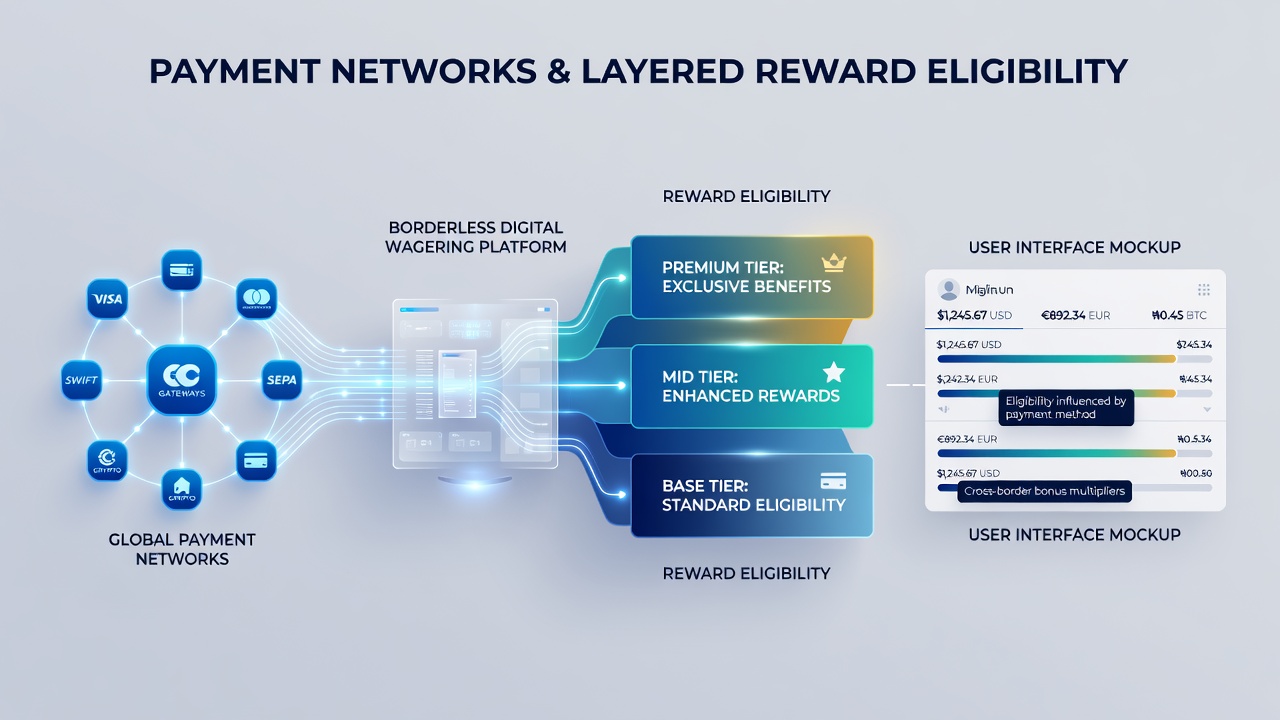
Figures from the Gaming Policy and Enforcement Branch of British Columbia reveal that cross-border transaction rejections rose 7 percent between 2025 and 2026, with the majority tied to network-level sanctions rather than platform decisions. Platforms respond by publishing network-specific reward matrices that list which payment rails unlock which bonus layers, allowing users to select routes that preserve eligibility. One study released by the University of Nevada, Las Vegas Center for Gaming Research documented that participants using multi-network strategies advanced through four reward tiers 22 percent faster than single-network users during the same observation period.
Fee Structures and Their Impact on Net Qualifying Deposits
Network fees subtract from the deposited amount before reward calculations begin, so a 2.5 percent processing charge on a card transaction can reduce the effective deposit below the threshold needed for a particular bonus tier. Cryptocurrency networks present variable fees that spike during congestion, occasionally pushing a planned deposit out of eligibility range. Platforms therefore publish real-time fee calculators that adjust displayed reward values according to the selected network, and users who monitor these adjustments maintain consistent tier movement.
Those who analyze reward data across platforms note that stablecoin options with fixed low fees produce more predictable eligibility outcomes than variable-fee networks. In practice this means a user depositing the exact minimum for a mid-tier loyalty unlock must account for the network fee in advance or risk falling short after processing. July 2026 platform updates introduced fee-absorbing mechanisms on select networks, crediting the difference so the full nominal deposit counts toward layered rewards.
Conclusion
Payment networks function as gatekeepers that translate regulatory, technical, and cost variables into concrete reward eligibility outcomes on borderless wagering platforms. Their influence appears in processing speed, compliance timing, fee deductions, and geographic acceptance rules, each of which platforms encode into tier advancement logic. Data collected through mid-2026 continues to show measurable differences in user progression rates based solely on network choice, confirming that these rails remain central to how layered incentives distribute across global user bases.