Mapping Progression Patterns of Conditional Reward Unlocks Across Blockchain-Integrated Mobile Wagering Interfaces
Klara Lehmann · Jun 15, 2026
Mapping Progression Patterns of Conditional Reward Unlocks Across Blockchain-Integrated Mobile Wagering Interfaces
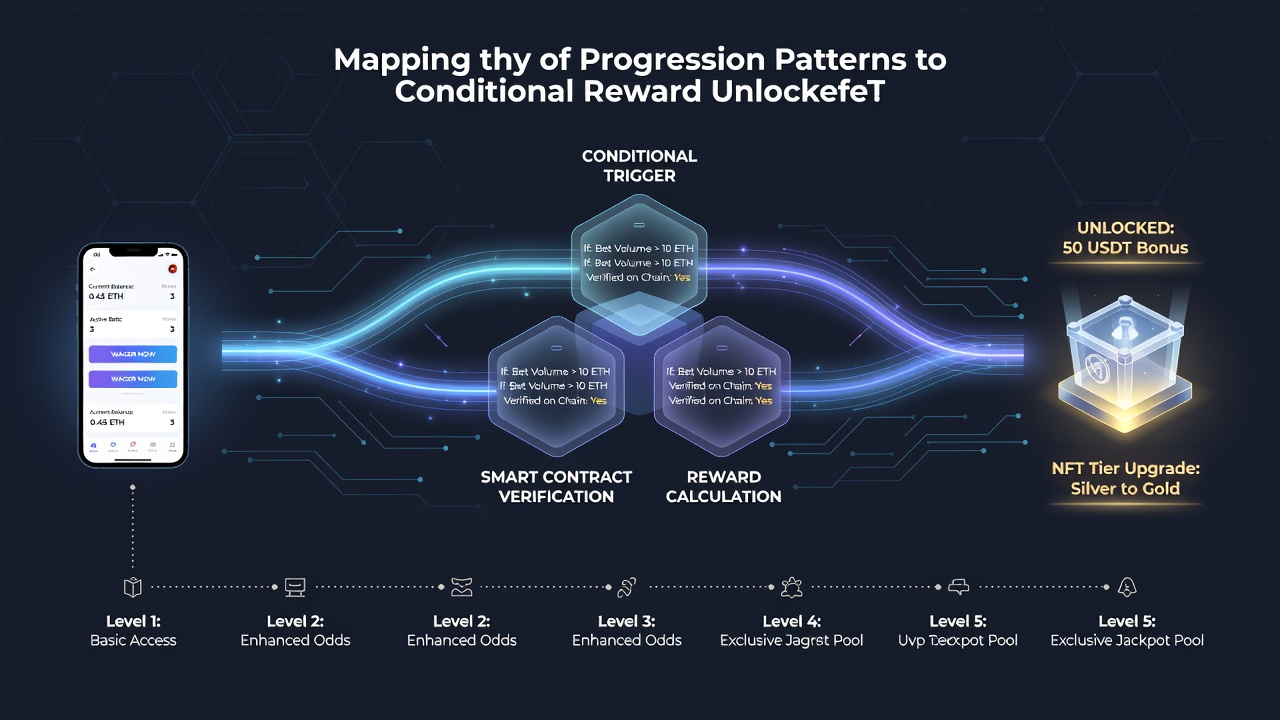
Blockchain technology continues to reshape how mobile wagering platforms structure and deliver conditional rewards, with progression patterns emerging as a key area of focus for developers and operators alike. These systems track user activity through distributed ledgers, allowing rewards to unlock based on specific play thresholds, time-based conditions, and transaction histories recorded on-chain.
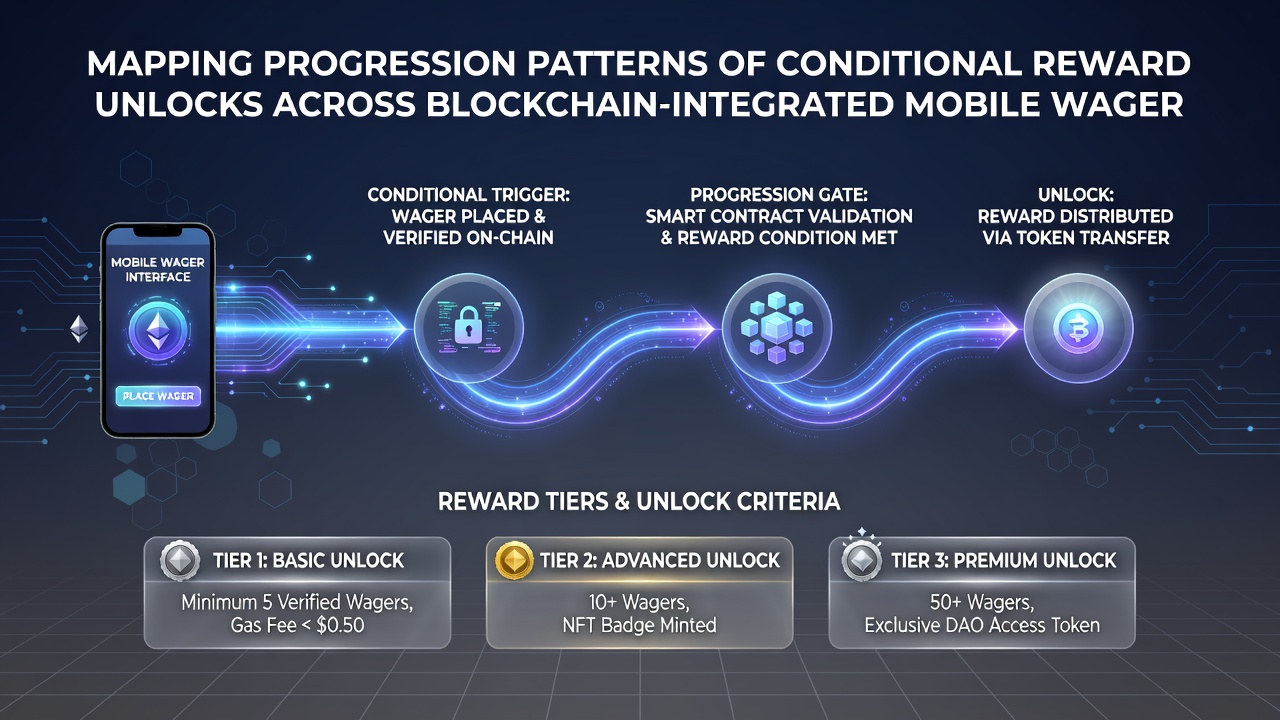
Patterns in reward progression often follow tiered sequences where initial unlocks require minimal engagement, such as completing a set number of wagers or reaching a base volume threshold, while subsequent tiers demand compounded activity across multiple sessions. Research from the International Gaming Institute at the University of Nevada indicates that blockchain ledgers enable precise mapping of these sequences, as each unlock event gets timestamped and verified without central intermediaries.
Core Mechanics of Conditional Unlocks
Conditional rewards in these environments typically activate when users meet criteria stored as smart contract parameters, including deposit frequency, wager multipliers, and retention streaks measured in consecutive days. Data compiled through June 2026 shows increased adoption of hybrid models that blend on-chain verification with off-chain mobile app interfaces, reducing latency while maintaining transparency for participants. Observers note that progression maps often reveal clusters where users accelerate through early tiers yet stall at mid-level conditions tied to higher volatility wagers.
Integration with mobile interfaces adds layers of visual feedback, such as progress bars synced to wallet transactions, that update in real time as blockchain confirmations process. Those studying user flows find that platforms using proof-of-stake networks tend to favor shorter unlock cycles compared to proof-of-work chains, due to differences in transaction finality times.
Regional Data and Industry Trends Through Mid-2026
Figures from the Nevada Gaming Control Board highlight steady growth in blockchain-linked mobile wagering volumes during the first half of 2026, with reward unlock events rising in parallel. Similar patterns appear in reports issued by the Malta Gaming Authority, where operators document sequential unlock chains that reward cross-game participation rather than single-title focus. These regional datasets reveal consistent progression curves: early unlocks cluster around low-stake activities, while later stages shift toward volume-based or diversity-driven conditions.
One study released by the Canadian Centre for Gaming Research tracked over 50,000 user journeys on blockchain-enabled apps and found that conditional rewards tied to referral activity produced the steepest progression slopes, often unlocking within 48 hours of the triggering event. Platforms that embed these mechanics into intuitive mobile dashboards see higher completion rates across all tiers, according to aggregated metrics shared at industry forums.
Technical Mapping Approaches
Developers employ graph-based visualization tools to chart unlock sequences, plotting nodes for each condition and edges representing the transition requirements between tiers. These maps help identify bottlenecks where large numbers of users drop off before reaching premium rewards. Smart contract audits conducted through June 2026 consistently show that conditional logic benefits from modular design, allowing operators to adjust parameters without redeploying entire systems.
Additional patterns surface when analyzing cross-chain reward portability, where unlocks achieved on one network transfer to another via standardized token standards. Researchers at academic institutions have documented cases where users leverage this portability to accelerate progression across multiple platforms, creating interconnected reward histories visible on public explorers.
Interface Design adn User Navigation
Mobile interfaces for these systems prioritize clarity in displaying conditional requirements, often using color-coded stages that advance automatically once blockchain nodes confirm the necessary activity. Navigation flows typically guide users from basic entry rewards toward more complex chains involving staking periods or community challenges recorded on-chain. Data indicates that interfaces incorporating predictive elements, such as estimated time-to-unlock based on current pace, maintain engagement through longer sequences.
Operators continue refining these designs by studying heatmaps of user interactions with reward dashboards, revealing preferences for swipe-based progression views over static lists. Integration with biometric authentication further streamlines access to detailed unlock histories stored across distributed nodes.
Conclusion
Progression patterns of conditional reward unlocks in blockchain-integrated mobile wagering continue evolving alongside advances in ledger technology and mobile interface capabilities. Regional reports through June 2026 demonstrate measurable differences in unlock velocity tied to network type and condition complexity, while technical mapping tools provide operators with clearer views of user pathways. As these systems mature, the focus remains on verifiable, transparent sequences that align platform incentives with documented activity across distributed environments.