Navigating Layered Loyalty Structures in App-Based Gaming Environments
Amir Koch · May 22, 2026

Navigating Layered Loyalty Structures in App-Based Gaming Environments
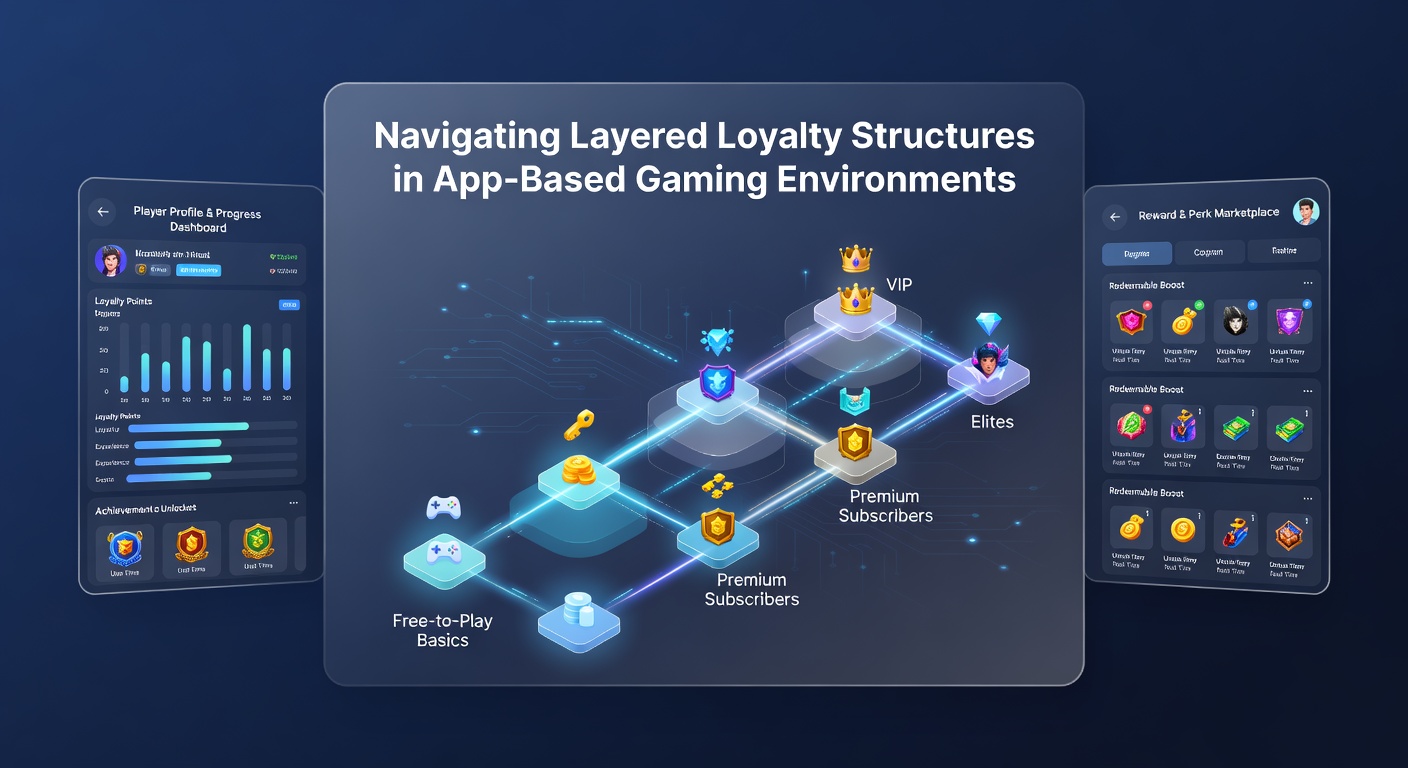
Layered loyalty structures in app-based gaming environments organize player engagement through progressive tiers that unlock additional benefits as activity accumulates, and these systems appear across mobile casino platforms as well as broader gaming applications. Developers integrate points systems that track spins, wagers, and session durations while algorithms adjust thresholds for advancement based on aggregate data collected from user bases. In May 2026 observers noted continued refinements to these frameworks as companies responded to shifting regulatory expectations and competitive pressures in digital markets.
Core Components of Tiered Progression
Players enter at entry-level tiers after initial registration and accumulate points through consistent play, yet advancement requires meeting specific criteria that often combine total wagers with frequency metrics. Higher tiers grant multipliers on point earnings alongside access to exclusive in-app events, and data from industry reports indicates that these multipliers range from 1.5x at mid-levels to 3x or more at top strata. Research conducted by the University of Nevada Las Vegas Center for Gaming Research shows that retention rates increase notably once users reach the second or third tier because the perceived value of ongoing participation rises with each unlocked feature set.
Points calculation incorporates multiple variables including bet size, game type, and time spent within sessions, while bonus rounds and daily login streaks add supplementary credits that accelerate movement between layers. Those who have examined app analytics note that seasonal promotions in early 2026 frequently reset or temporarily boost point accrual rates to encourage broader participation across different game categories.
Mechanics Behind Reward Distribution
Rewards scale according to tier status so that lower layers receive standard cashback percentages and free spin allocations whereas premium users access personalized offers and priority customer support channels. The structure ensures that incremental activity generates compounding advantages, and studies tracking user behavior reveal that players who maintain activity across consecutive months achieve faster tier elevation than sporadic participants. According to figures released by the Alcohol and Gaming Commission of Ontario, average point redemption values grew by approximately 12 percent during the first quarter of 2026 as operators expanded the catalog of available prizes.
Some applications introduce hybrid elements that blend loyalty points with limited-time challenges, creating additional pathways for advancement that do not rely solely on wager volume. Observers have documented cases where completion of achievement-based tasks contributed up to 30 percent of the points needed for tier progression during promotional windows.
Practical Navigation Strategies Observed in Practice
Users who track their progress through in-app dashboards gain clearer visibility into remaining requirements for the next tier, and many combine this monitoring with selective participation in high-point-value games during bonus periods. Patterns identified in platform data demonstrate that individuals who diversify across game types rather than concentrating on single titles often reach higher layers more efficiently because certain categories award bonus multipliers during specific campaigns. In May 2026 several operators introduced cross-game loyalty events that allowed points earned in one title to count toward broader progression metrics, thereby simplifying navigation for multi-game participants.
Notifications and push alerts serve as primary tools for staying informed about tier-specific opportunities, while community forums and player guides compiled by experienced users frequently outline optimal sequences for maximizing point efficiency. Research indicates that players who review historical activity summaries provided by the apps identify peak earning windows more accurately and adjust their schedules accordingly.
Regulatory Context and Platform Adaptations
Regulatory bodies across multiple jurisdictions have examined how layered systems influence player behavior, prompting developers to incorporate transparent disclosure features that display exact criteria for each tier. The Alcohol and Gaming Commission of Ontario published updated guidelines in spring 2026 that require clearer communication of point expiration policies and redemption limits, and similar transparency measures have appeared in other regulated markets. These adjustments aim to maintain fairness while preserving the engagement benefits that operators derive from structured loyalty programs.
Platform updates released around May 2026 integrated improved analytics dashboards that allow users to simulate projected tier advancement based on anticipated play volume, reducing uncertainty for those planning longer-term participation strategies. Industry associations have reported that such tools correlate with higher user satisfaction scores in post-update surveys.
Conclusion
Layered loyalty structures continue to evolve within app-based gaming environments as operators refine point systems, reward scaling, and transparency features to align with both player expectations and regulatory standards. Data collected through 2026 demonstrates measurable impacts on engagement metrics once users advance beyond initial tiers, and the integration of cross-game events alongside enhanced dashboard tools provides clearer pathways for navigation. Continued monitoring by research institutions and regulatory agencies will likely shape further refinements in how these frameworks operate across global markets.