Pattern Recognition in Sequential Perk Distributions Across Portable Digital Asset Wagering Networks
Alex Long · Aug 5, 2026
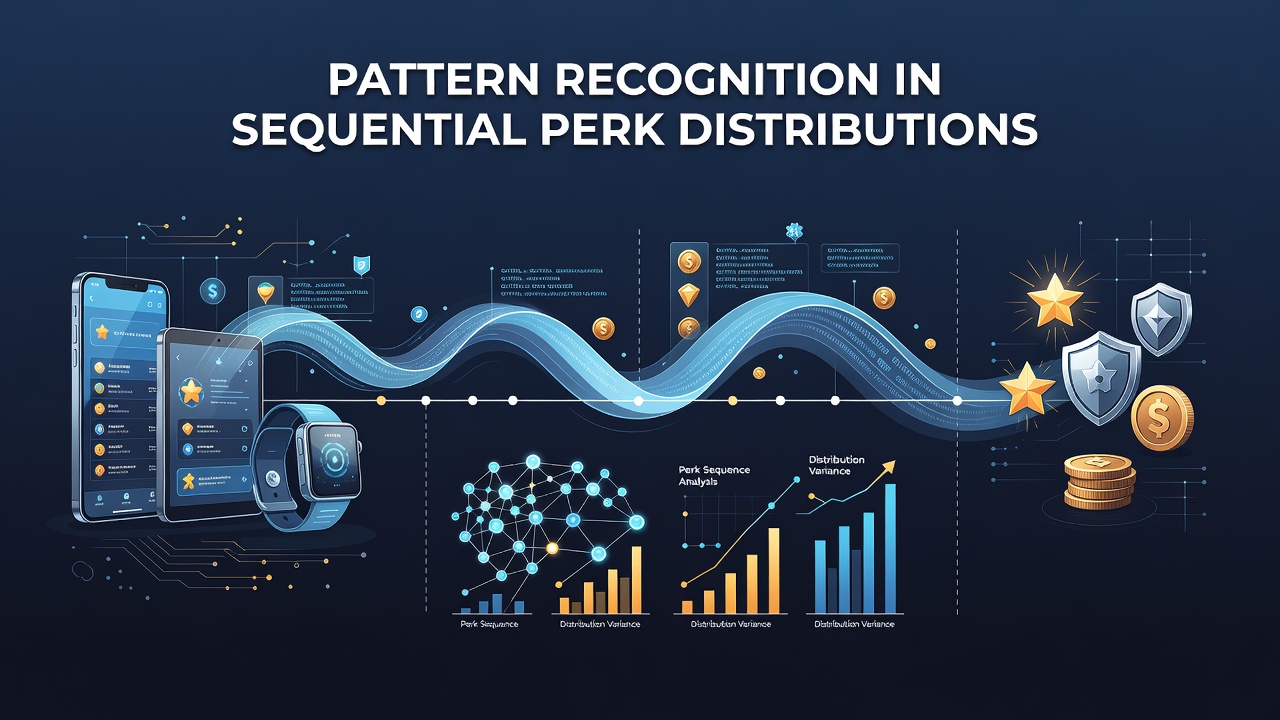
Pattern Recognition in Sequential Perk Distributions Across Portable Digital Asset Wagering Networks
Portable digital asset wagering networks rely on pattern recognition systems to handle sequential perk distributions, where algorithms scan user activity logs for repeating sequences in deposit patterns, session durations, and asset transfer timings. These systems process data from mobile interfaces that support cryptocurrency transactions, allowing platforms to adjust reward triggers based on detected clusters rather than random assignments. Observers note that such recognition occurs through machine learning models trained on historical transaction datasets, which identify correlations between consecutive actions like initial wagers followed by specific asset holdings.
Core Mechanisms Driving Sequential Perk Allocations
Algorithms in these networks apply sequence mining techniques to map perk releases across multiple steps, starting with entry-level rewards and progressing to escalated distributions after verified patterns emerge. Data indicates that models often employ hidden Markov chains to predict the likelihood of a user completing a chain of actions, such as transferring digital assets between sessions, while incorporating variables like network latency on handheld devices. Researchers discovered that platforms update these models periodically, with refinements noted in August 2026 when several networks integrated real-time graph neural networks to better capture cross-device sequences.
Sequential distributions typically follow structured paths where an initial perk unlocks based on a single transaction pattern, then subsequent ones activate only after the system confirms matching behavioral markers from prior steps. Experts have observed that this layered approach reduces arbitrary reward issuance, as pattern detection filters out isolated events that do not align with established sequences. Platforms achieve this through feature extraction processes that convert raw wagering data into vector representations suitable for clustering analysis.
Integration of Mobile and Cryptocurrency Elements
Mobile environments introduce additional layers to pattern recognition because device-specific metrics, including touch frequency and app switch intervals, combine with blockchain transaction hashes to form composite sequences. Those who have studied these networks report that recognition engines cross-reference on-chain data with off-chain mobile telemetry, creating more robust profiles for perk timing. In practice, a user who consistently initiates wagers during peak mobile hours may trigger a perk sequence that escalates after three consecutive verified sessions, provided the cryptocurrency transfers match the predicted interval thresholds.
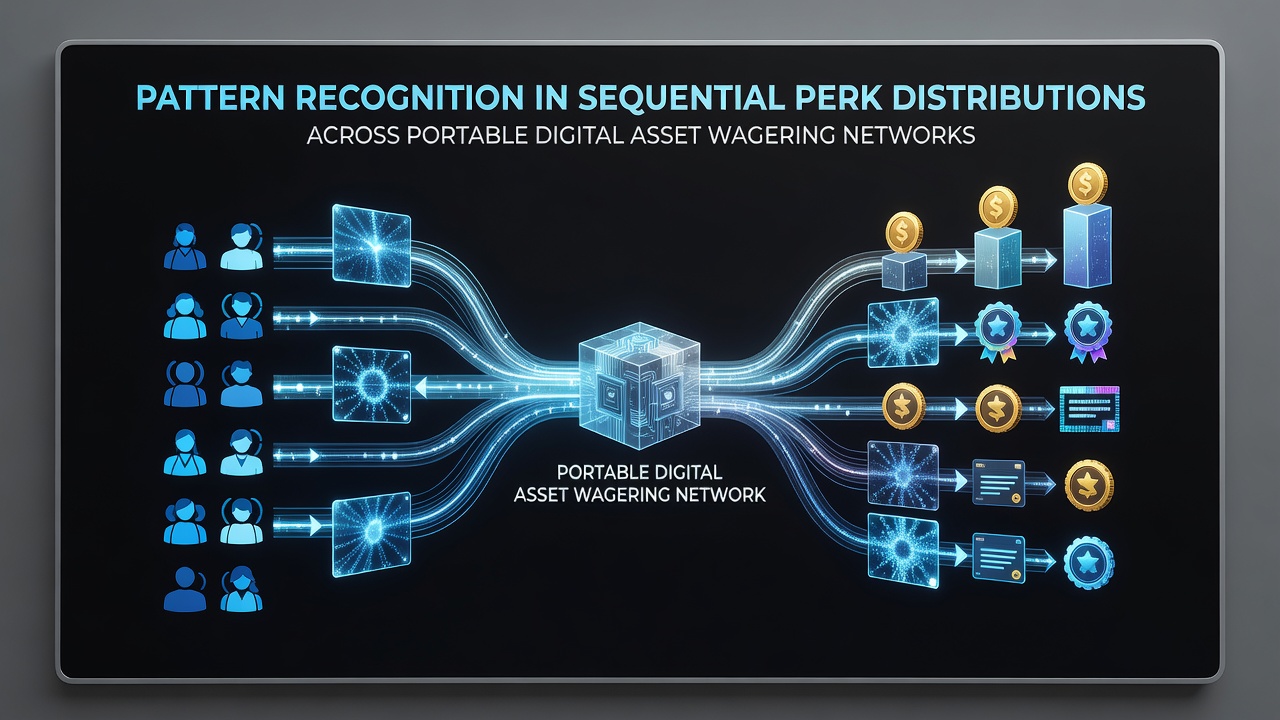
What's interesting is how these systems adapt when asset volatility affects sequence completion rates, prompting algorithms to recalibrate thresholds dynamically. Figures from industry reports reveal that networks using adaptive pattern recognition maintain higher sequence completion rates compared to static rule-based systems, particularly in environments where digital asset values fluctuate rapidly. Platforms often log these adjustments in internal databases that feed back into the primary models for continuous improvement.
Data Sources and Analytical Approaches
Analytical frameworks draw from multiple inputs, including transaction volume logs and user retention metrics, to train recognition models that distinguish genuine sequential patterns from noise. A study conducted at the University of Nevada, Las Vegas International Gaming Institute examined how graph-based algorithms map perk sequences across blockchain-integrated apps, highlighting the role of temporal alignment in accurate detection. Data shows that incorporating multi-source validation, such as combining mobile GPS signals with wallet confirmations, improves pattern precision without requiring manual oversight.
Regulatory bodies in various regions track these developments through compliance reporting requirements, where operators must demonstrate that perk sequences rely on documented pattern criteria rather than discretionary decisions. Reports from the Massachusetts Gaming Commission outline how oversight extends to algorithmic transparency in digital asset platforms operating within their jurisdiction. Observers note that such requirements encourage standardized logging practices, which in turn support more reliable pattern recognition across different networks.
Observed Patterns in August 2026 Developments
During August 2026, several portable networks introduced updates that enhanced sequence detection for multi-asset perks, allowing models to recognize parallel chains where users alternate between different cryptocurrencies within the same mobile session. These changes built on earlier graph analysis techniques, enabling finer distinctions between overlapping sequences that previously merged into single clusters. Evidence suggests that the refinements stemmed from expanded training datasets collected over the preceding year, which captured variations in user navigation across app versions.
Pattern recognition also extends to anomaly flagging within sequences, where deviations from expected paths trigger review protocols before perk activation proceeds. This process maintains distribution integrity by isolating sequences that do not conform to learned models, a step that platforms implement through automated alerts routed to compliance teams.
Conclusion
Pattern recognition continues to shape sequential perk distributions in portable digital asset wagering networks by providing structured methods for identifying and acting on behavioral sequences. Through ongoing integration of mobile telemetry, blockchain records, and refined algorithms, these systems deliver distributions that align with detected patterns while meeting operational and regulatory standards. Data from multiple sources confirms that the approach supports consistent reward timing across diverse user interactions.