Shifting Landscapes of Incentive Programs: Examining Retention Tactics Beyond Standard Entry Offers in Virtual Casinos
Harper Günther · May 18, 2026
Shifting Landscapes of Incentive Programs: Examining Retention Tactics Beyond Standard Entry Offers in Virtual Casinos
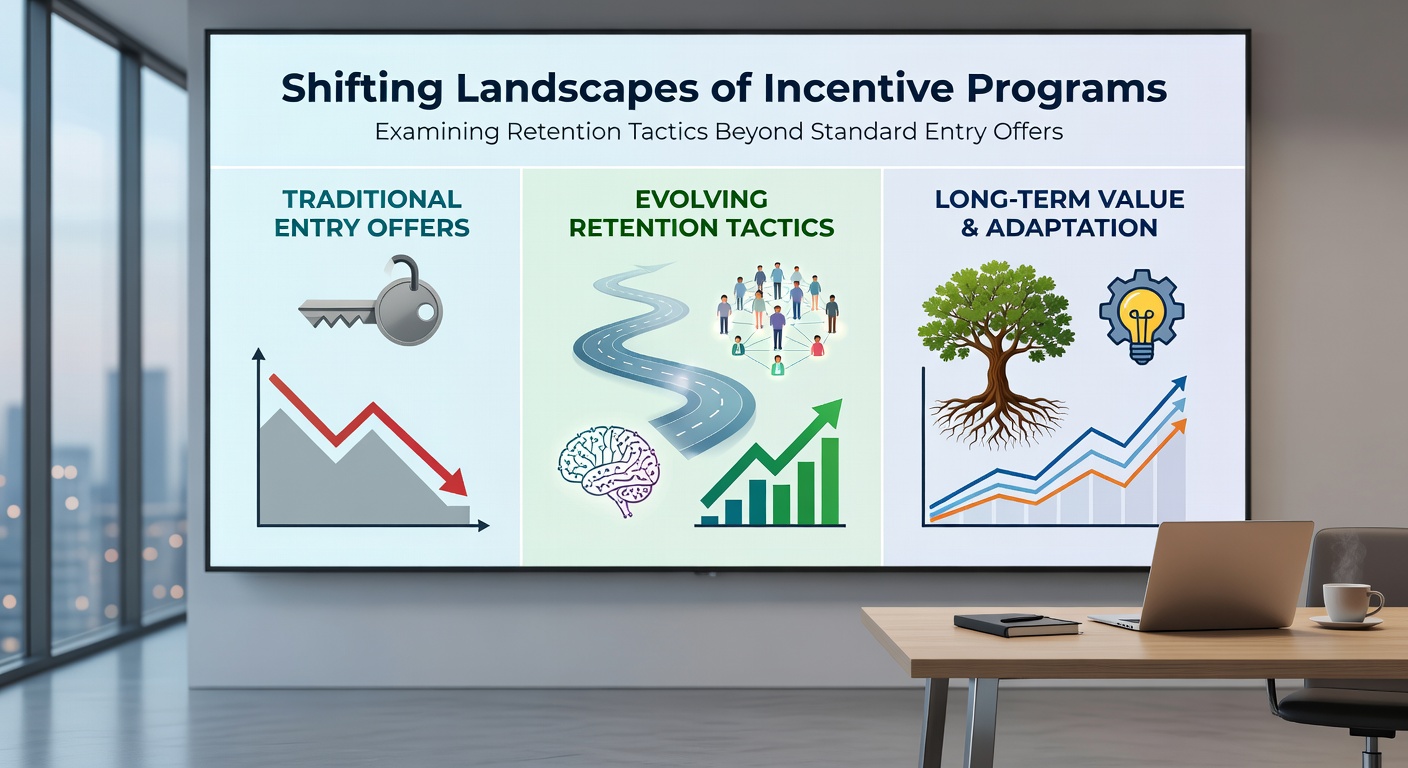
Virtual casinos have moved away from one-time welcome packages toward sustained retention strategies that keep players engaged over months and years, and this evolution accelerated through early 2026 as operators responded to maturing markets. Research from industry analysts shows that operators now allocate larger portions of marketing budgets to loyalty frameworks, personalized incentives, and community features rather than front-loaded acquisition deals. Those who have tracked these changes note that the emphasis on long-term value has produced measurable shifts in how platforms structure rewards and communicate with users.
From Acquisition Focus to Ongoing Engagement Models
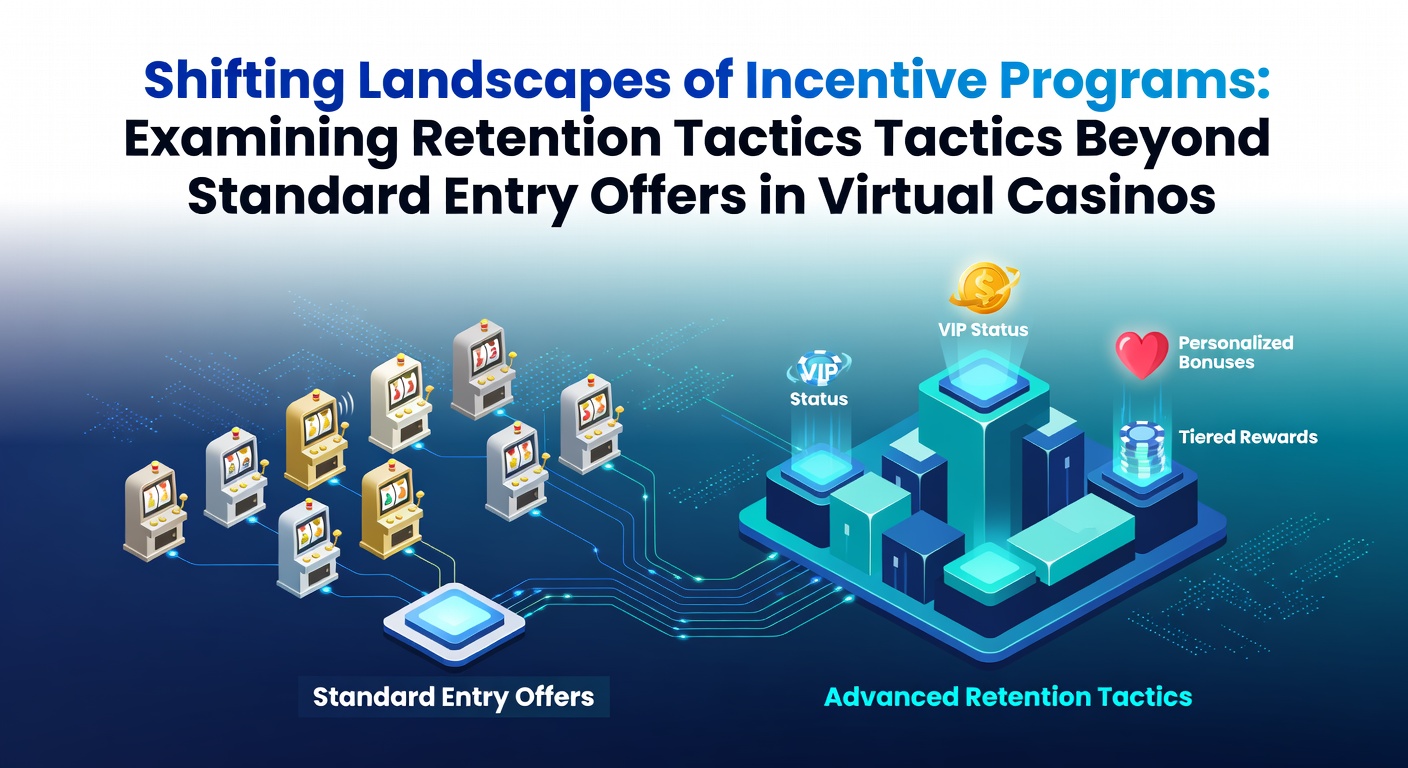
Operators began testing retention-first approaches around 2023, yet the pace quickened noticeably by May 2026 when several major platforms introduced AI-driven personalization engines that adjust offers based on individual play patterns. Data compiled by the European Gaming and Betting Association indicates that platforms employing dynamic reward systems recorded higher month-over-month retention rates compared with those relying primarily on entry bonuses. Players receive tiered status levels that unlock escalating benefits including faster withdrawal processing, exclusive game access, and dedicated account support, all calibrated to actual activity rather than initial deposits.
Loyalty Structures That Replace One-Time Offers
Points-based systems now function as the backbone of many retention programs, converting regular play into redeemable credits, merchandise, or tournament entries. One platform in the Canadian market, for instance, integrated a multi-tier currency that allows users to trade accumulated points for live-event tickets or charity donations, creating additional touchpoints beyond the gaming interface. Observers note that such mechanics encourage consistent visits because progress toward the next reward remains visible at all times. Cashback structures have also matured beyond simple loss refunds, incorporating weekly or monthly caps that reset according to account tenure and volume, which studies link to steadier engagement curves.
Personalization and Data-Driven Incentives
By May 2026 most leading platforms deployed machine-learning models that analyze session length, game preference, and deposit timing to generate tailored offers delivered through push notifications or in-app messages. These targeted incentives often include free spins on recently played titles, deposit matches scaled to recent activity, or entry into invite-only tournaments. A report released by researchers at the University of Nevada, Las Vegas highlighted that personalized campaigns outperformed generic promotions by substantial margins in controlled tests. The same analysis found that players who received offers aligned with their historical behavior showed longer average lifetime value, prompting more operators to invest in similar infrastructure.
Community Features and Gamification Elements
Virtual casinos have incorporated social and competitive layers that extend engagement outside individual sessions. Leaderboards reset weekly or monthly, granting top performers additional credits or physical prizes shipped directly to winners. Seasonal challenges tied to holidays or sporting events create shared goals among users, fostering a sense of participation that simple bonus codes rarely achieve. Platforms that introduced these elements reported increased daily active users, according to figures shared at the 2026 iGaming Summit in Las Vegas. Live dealer rooms now feature interactive chat tournaments where participants compete for shared prize pools, blending social interaction with monetary rewards in ways that keep players returning.
Regulatory Context Across Regions
Regulatory bodies in multiple jurisdictions have begun examining how retention mechanics intersect with responsible gambling obligations. In Australia the Australian Communications and Media Authority updated guidance documents in spring 2026 that require clearer disclosure of loyalty program terms, including how points expire and what data informs personalized offers. Canadian provincial regulators similarly requested transparency reports from operators detailing the frequency and value of retention incentives sent to self-excluded accounts. These developments have encouraged platforms to build compliance checkpoints directly into their reward engines rather than treating them as afterthoughts.
Measurement of Retention Success
Key performance indicators have shifted from new player acquisition cost toward metrics such as average revenue per user over twelve months and churn reduction percentages. Operators that publish quarterly updates frequently cite improvements in repeat deposit ratios after implementing multi-stage loyalty ladders. One independent audit of European operators revealed that those with integrated VIP programs experienced lower attrition during low-activity periods compared with peers focused solely on acquisition campaigns. These outcomes have reinforced the industry-wide pivot toward retention as a core business strategy.
Conclusion
The landscape of virtual casino incentives continues to evolve around sustained player relationships rather than isolated entry offers. Loyalty frameworks, data-driven personalization, community competitions, and region-specific regulatory adaptations now define how platforms maintain engagement through 2026 and beyond. Those monitoring the sector expect further refinement of these tactics as technology and oversight requirements advance in tandem.