Tracing Achievement Pathways in Virtual Betting Networks Through Activity-Based Thresholds
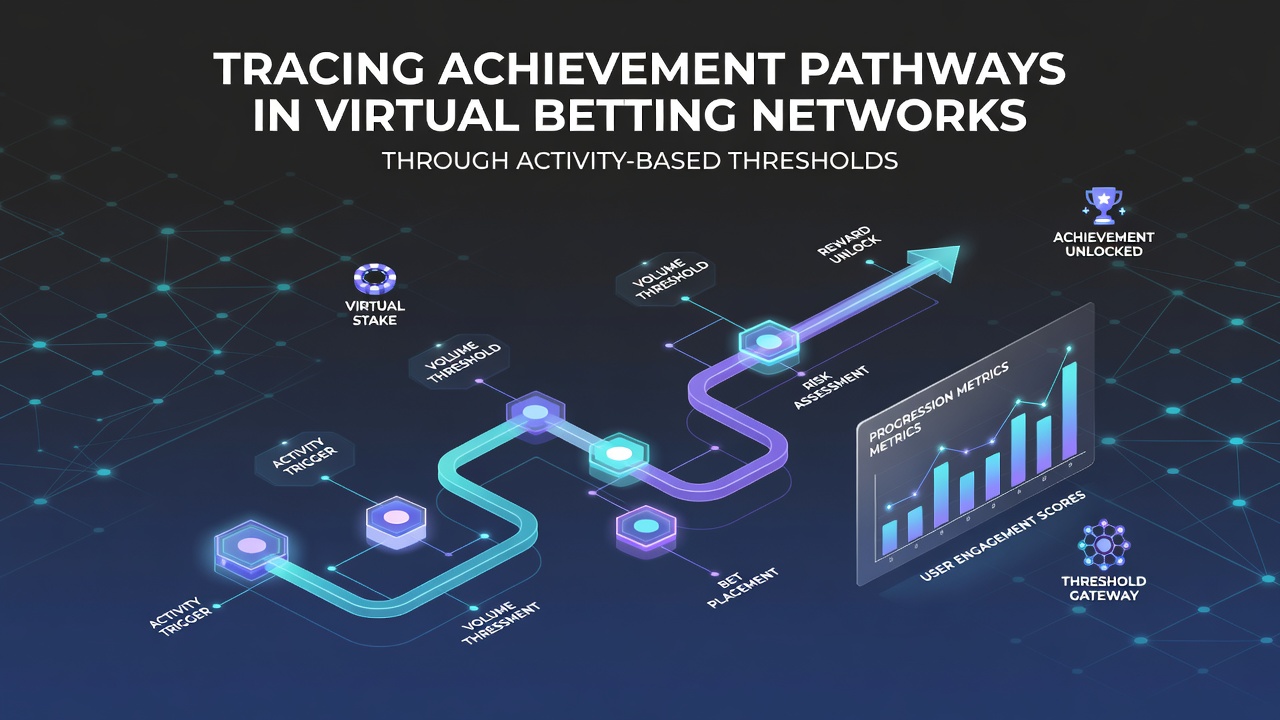
Virtual betting networks track user progress through activity-based thresholds that measure betting volume, frequency, and session duration, and these systems create structured pathways toward specific achievements such as level unlocks or milestone badges. Operators implement these thresholds to organize player engagement data into measurable stages, while network algorithms adjust requirements based on aggregated historical patterns across similar user profiles.
Core Components of Threshold Systems
Activity-based thresholds operate on defined metrics including total wagered amounts, consecutive active days, and game variety participation, and each metric feeds into a calculation model that determines when a user crosses into the next achievement tier. Data processing engines log these values in real time, yet the models also incorporate decay functions that reduce inactive periods from the cumulative score. Researchers at institutions studying digital wagering platforms have documented how such decay mechanisms prevent stagnation in achievement progression while maintaining fairness across diverse user behaviors.
Pathway Mapping Techniques
Pathway mapping begins with baseline data collection during account registration and initial sessions, after which the network assigns an entry-level threshold set that scales upward as achievements accumulate. Multiple pathways often run in parallel, allowing users to pursue volume-based goals alongside consistency-based ones, and intersection points between pathways trigger compound rewards such as accelerated threshold reductions on subsequent activities. Observers note that these intersections become more complex in networks integrated with blockchain ledgers, where transaction immutability adds verifiable layers to each completed threshold crossing.
Regional Data Patterns in Mid-2026
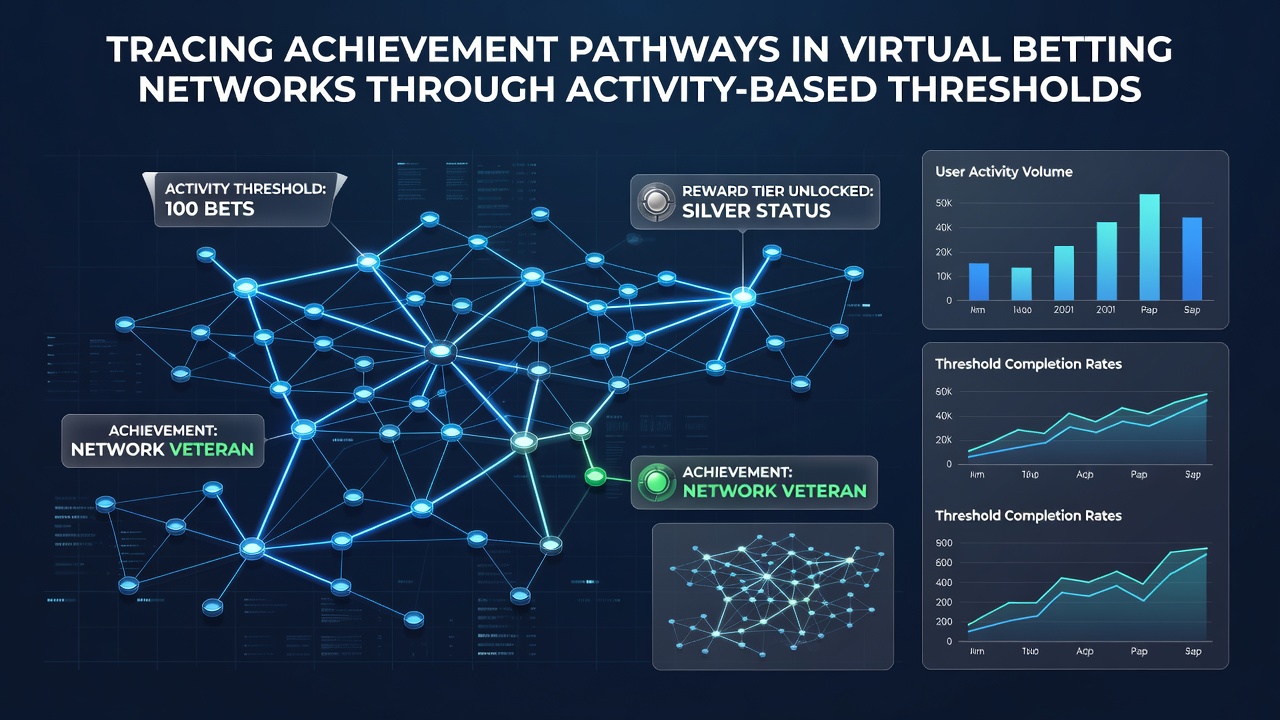
Figures released in July 2026 by the Nevada Gaming Control Board indicated steady growth in tracked achievement completions within state-licensed mobile platforms, with volume thresholds accounting for the largest share of unlocks during the second quarter. Similar reporting from the Australian Communications and Media Authority highlighted parallel trends in cross-border networks serving regional users, where session-duration thresholds showed higher completion rates among users accessing platforms through integrated wallet systems. These datasets reveal consistent seasonal spikes around major sporting events, when activity thresholds temporarily lower to accommodate increased participation volumes.
Integration with Network Architecture
Modern virtual betting networks embed threshold engines directly into their core transaction layers, which allows real-time recalculation of achievement status after every settled wager without requiring separate batch processing jobs. This integration reduces latency between activity completion and pathway advancement, and it also enables dynamic threshold adjustments that respond to network-wide load balancing during peak hours. Those who maintain these systems report that machine learning overlays refine threshold values by analyzing millions of user sessions to predict optimal progression curves that minimize early-stage drop-off.
Compliance and Verification Standards
Regulatory frameworks in multiple jurisdictions require operators to maintain auditable logs of every threshold calculation and achievement grant, and these logs must demonstrate that pathways remain free from manipulation through automated or manual overrides. The Nevada Gaming Control Board enforces periodic third-party audits of these systems, whereas the International Center for Responsible Gaming publishes research on how transparent threshold design correlates with sustained user engagement across different demographic segments. Compliance teams routinely test edge cases such as rapid threshold crossings during promotional windows to confirm that achievement records align with the underlying activity data.
Future Developments in Threshold Design
Developers continue to experiment with hybrid thresholds that combine traditional activity metrics with emerging behavioral signals such as community participation or content creation within betting forums, and early implementations suggest these additions create branching pathways that extend engagement beyond core wagering functions. As networks expand into metaverse-style environments, threshold calculations may incorporate spatial navigation data or avatar interaction frequency, which would further diversify the achievement landscape available to users. Current architecture roadmaps indicate that modular threshold components will allow individual operators to customize pathway structures while preserving interoperability standards across shared network backbones.
Conclusion
Activity-based thresholds form the foundational mechanism for tracing achievement pathways in virtual betting networks, and their ongoing refinement shapes how users navigate progression systems across global platforms. Data from regulatory bodies and research organizations continues to inform design choices that balance progression accessibility with network integrity, while integration advances support more responsive and verifiable tracking methods. As July 2026 reporting demonstrates, these systems maintain measurable impacts on user retention metrics across varied regulatory environments.