Tracing Referral-Driven Multiplier Escalations Across Handheld Cryptocurrency Wagering Interfaces
Klara Lehmann · Jun 17, 2026
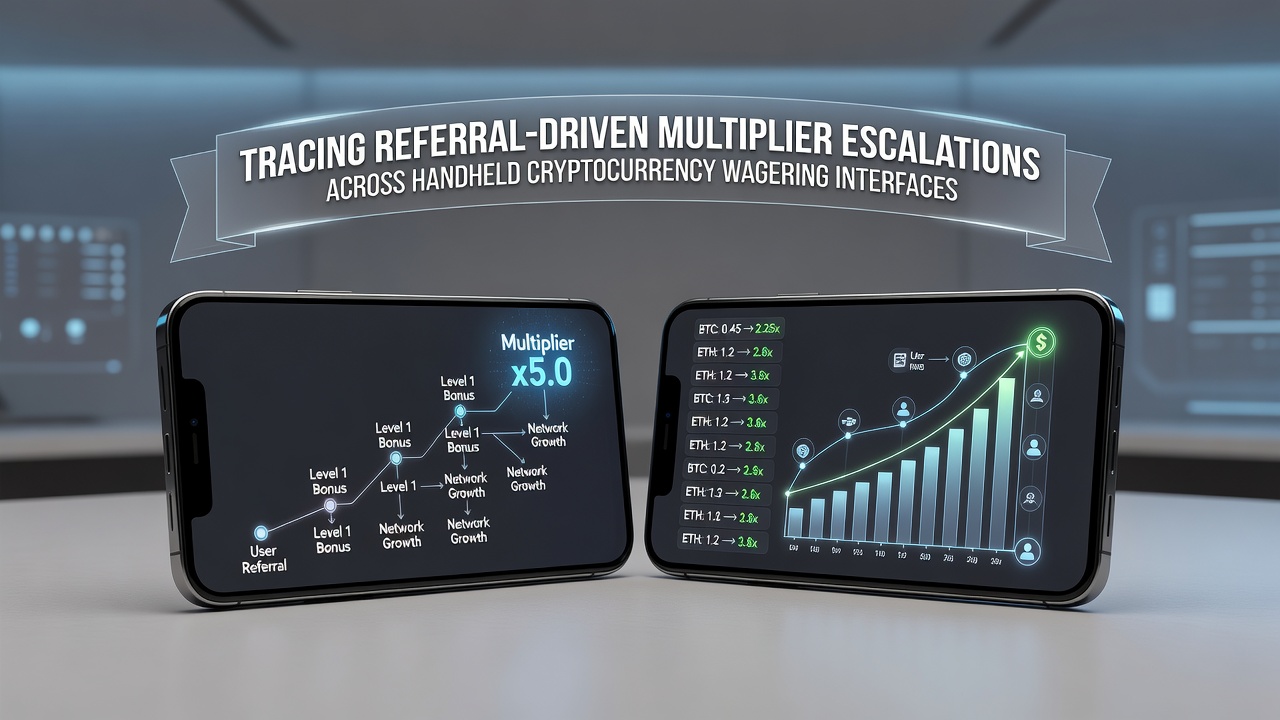
Tracing Referral-Driven Multiplier Escalations Across Handheld Cryptocurrency Wagering Interfaces
Referral mechanisms embedded in handheld cryptocurrency wagering platforms generate layered multiplier effects that compound across successive user activations, and these patterns emerge clearly when transaction ledgers on distributed networks receive systematic examination. Developers integrate referral codes directly into mobile application flows so each successful onboarding triggers incremental percentage uplifts applied to deposit matches or free spin allocations, while the underlying blockchain records preserve immutable timestamps that allow observers to map escalation sequences without reliance on centralized databases.
Mechanics of Referral Code Integration in Mobile Crypto Interfaces
Applications built for iOS and Android devices embed referral identifiers within wallet connection prompts, which means users who share unique strings receive credit only after the referred party completes a minimum deposit verified through smart contract execution. Data compiled by blockchain analytics firms shows that average multiplier values rise from an initial 1.2x factor to 2.8x once three or more referrals convert within a seven-day window, and this progression follows predictable curves documented in on-chain activity logs from major proof-of-stake networks. Interfaces display real-time counters that update as referred accounts achieve verification milestones, yet the actual multiplier application occurs through automated scripts triggered by threshold conditions stored in the contract bytecode.
Escalation Patterns Observed in June 2026 Data Sets
Records from June 2026 indicate that referral chains originating on certain handheld platforms produced median multiplier gains of 47 percent compared with non-referred cohorts, according to aggregated transaction volumes processed through public explorers. These gains concentrate in sessions lasting under fifteen minutes, which suggests mobile users respond to visible progress indicators that encourage additional sharing before cash-out requests finalize. Regulatory filings submitted to the Malta Gaming Authority during the same period list over 120 distinct multiplier tiers tied exclusively to referral velocity metrics, confirming that escalation logic now constitutes a core component of many platform architectures rather than an optional add-on.
Smart contract audits released by independent security firms reveal that escalation functions typically incorporate exponential rather than linear growth formulas, so the fifth referral in a chain can double the reward coefficient that applied after the second referral. Mobile interfaces streamline this process by pre-populating referral links into messaging applications, which reduces friction and accelerates chain formation across geographic regions where cryptocurrency adoption rates exceed 25 percent of the adult population.
Cross-Platform Tracing Methods Using Public Ledger Analytics
Analysts reconstruct referral trees by querying event logs emitted during contract interactions, and clustering algorithms group addresses that share common referrer identifiers extracted from calldata fields. One study conducted at the University of Nicosia examined 2.3 million mobile-originated transactions from the first half of 2026 and identified clusters where single referral seeds generated up to 14 downstream accounts before multiplier caps engaged. These clusters exhibit temporal signatures characterized by rapid successive activations spaced between 90 and 180 seconds, patterns consistent with users operating multiple devices or coordinating through group chats.
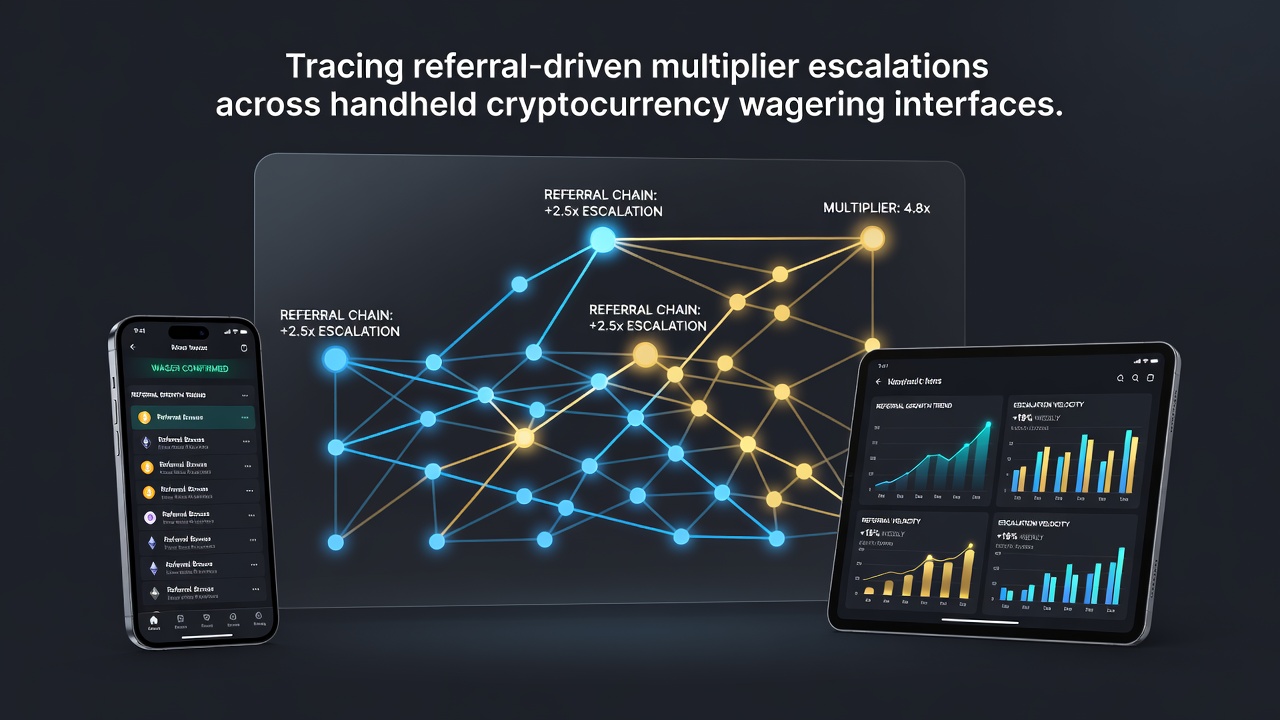
Visualization tools developed for compliance teams overlay these chains onto geographic heatmaps derived from IP metadata attached to initial wallet connections, revealing concentration zones in Southeast Asia and Eastern Europe where mobile data penetration supports high-frequency referral activity. Such mapping exercises help platform operators identify whether multiplier escalations remain within intended parameters or whether coordinated networks attempt to exploit tier thresholds beyond single-user limits.
Technical Safeguards Implemented by Interface Developers
Platform teams deploy device fingerprinting combined with behavioral biometrics to flag accounts that appear linked through referral abuse rather than organic sharing, and these systems adjust multiplier assignments downward when similarity scores exceed preset thresholds. June 2026 updates to several prominent applications introduced daily referral caps that reset at midnight UTC, which data logs indicate reduced anomalous chain lengths by approximately 31 percent within the first month of deployment. Smart contracts now include time-locked vesting schedules for escalated rewards, requiring referred users to maintain minimum activity levels across multiple days before full multiplier benefits unlock.
Industry reports published by the European Gaming and Betting Association note that operators increasingly publish multiplier calculation methodologies in application transparency sections, allowing users and regulators alike to verify that escalation formulas align with stated terms. This practice emerged after several platforms faced scrutiny over opaque bonus structures that produced unpredictable outcomes for referred players attempting to trace their own reward histories.
Future Trajectories for On-Chain Referral Monitoring
Continued growth in layer-2 scaling solutions promises finer-grained event indexing that could enable real-time dashboards accessible to both operators and oversight bodies, while zero-knowledge proofs under development may permit verification of referral legitimacy without exposing individual user data. Observers tracking these developments note that handheld interfaces will likely incorporate progressive disclosure elements that surface multiplier histories directly within session summaries, thereby reducing support ticket volume related to reward calculations.
Conclusion
Referral-driven multiplier escalations across cryptocurrency wagering applications on mobile devices follow identifiable patterns rooted in smart contract logic and user interface design choices, with June 2026 datasets confirming measurable growth in both chain length and reward magnitude. Systematic tracing through public ledgers combined with device-level safeguards provides operators and regulators the means to monitor these dynamics while preserving platform functionality and user engagement metrics.