Unpacking Dynamic Reward Calibrations Triggered by Session Duration Patterns in Virtual Wagering Ecosystems
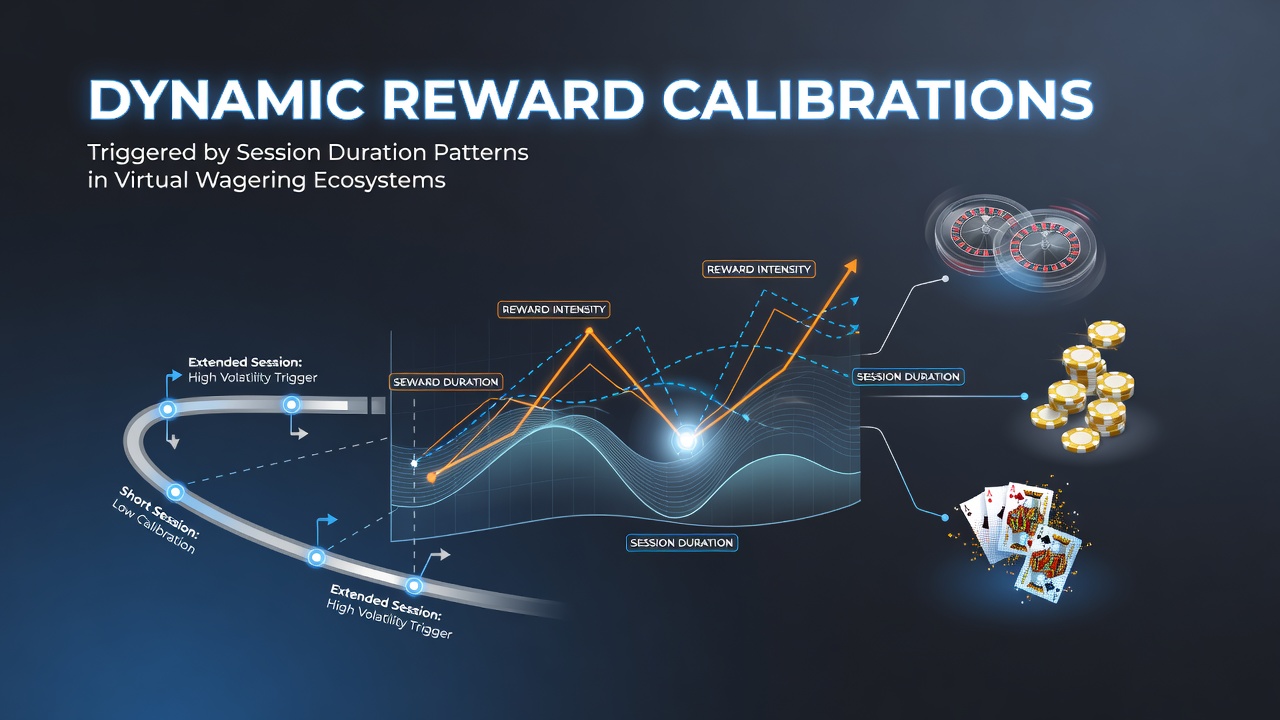
Virtual wagering platforms have developed systems that adjust rewards in real time based on how long individual sessions last, creating a layer of personalization that goes beyond basic loyalty points or entry bonuses. These dynamic calibrations respond to patterns such as brief five-minute logins versus extended multi-hour engagements, with operators tracking metrics that include spin frequency, bet sizing consistency, and pause intervals. Data from platform analytics indicate that shorter sessions often trigger immediate micro-rewards like instant free spins, while prolonged activity unlocks scaled multipliers that increase in value as the session continues past certain thresholds.
Core Mechanisms Behind Duration-Based Adjustments
Algorithms monitor session length through timestamped event logs that capture every interaction from login to logout, then feed those timestamps into decision trees that recalibrate available incentives mid-session. A player who logs in for under ten minutes might receive a fixed credit boost calculated at a lower tier, whereas sessions exceeding forty-five minutes activate progressive scaling that compounds additional perks such as cashback percentages tied directly to elapsed time. Operators integrate these rules with machine learning models trained on historical datasets, allowing the system to predict optimal reward points that maintain engagement without exceeding predefined liability limits.
Research conducted by the Nevada Gaming Control Board shows that platforms implementing duration triggers recorded average session extensions of 18 percent during the first half of 2026, with calibration events peaking around the twenty-minute and ninety-minute marks. These adjustments occur through server-side processes that push updated offers to the user interface without requiring page reloads, maintaining seamless play while the backend recalculates based on cumulative duration data.
Patterns Observed Across Different User Segments
Segment analysis reveals distinct clusters where mobile users exhibit shorter average sessions compared with desktop participants, prompting operators to apply lighter calibration curves for handheld interfaces and heavier scaling for stationary environments. One dataset compiled in July 2026 across multiple jurisdictions indicated that players aged 25 to 34 triggered duration-based rewards 2.3 times more frequently than those over 55, largely because their sessions clustered around 12 to 28 minutes. In contrast, older cohorts tended toward sessions lasting over an hour, which activated higher-value progressive rewards including loyalty tier accelerations.
These patterns interact with regional regulatory frameworks, such as those enforced by the Malta Gaming Authority, which require transparent disclosure of how session metrics influence reward delivery. Platforms must log calibration events and make those logs available for periodic audits, ensuring that duration triggers do not create unfair advantages or undisclosed house edges. Compliance teams therefore embed audit trails that timestamp every reward adjustment alongside the exact session duration that activated it.
Integration With Broader Platform Architectures
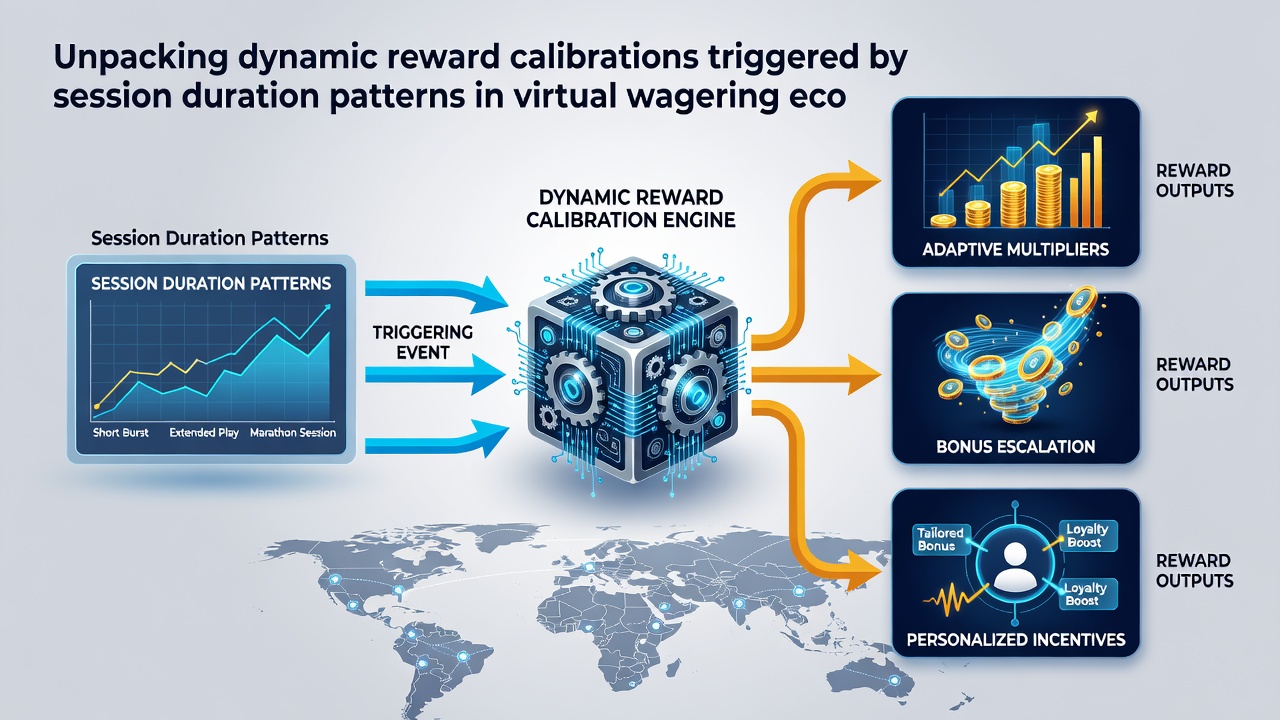
Duration-based calibrations sit alongside other personalization layers, including behavioral clustering and spend velocity monitoring, yet they operate on independent timers that reset only upon explicit logout rather than inactivity timeouts. This separation allows a player who pauses for fifteen minutes to retain accumulated duration credit, whereas full session termination starts the measurement clock anew. Backend architectures use event-driven microservices that publish duration milestones to a central reward engine, which then queries eligibility rules stored in configuration databases updated monthly by product teams.
Industry reports from the Australian Gambling Research Centre note that operators who synchronized duration triggers with payment processing cycles observed smoother cash flow patterns, because calibrated rewards often coincided with deposit prompts timed at natural session breakpoints. The synchronization reduces abrupt exits by presenting scaled incentives precisely when duration data indicates a player might otherwise disengage.
Technical Implementation and Data Handling
Engineers build these systems using time-series databases that store session events at millisecond granularity, enabling precise threshold detection without excessive computational overhead. When a session crosses a predefined duration boundary, the engine executes a rule set that may include conditional branching for factors such as current balance, recent win rate, and geographic location. Output from these branches determines whether the player receives an immediate notification, a queued bonus, or a deferred reward delivered at the next login.
Security protocols encrypt duration metadata alongside other player telemetry, and access controls restrict visibility to authorized analytics personnel only. July 2026 updates to several major platforms introduced additional hashing steps that anonymize session identifiers before they enter calibration pipelines, aligning with emerging data protection expectations across multiple licensing regions.
Conclusion
Dynamic reward calibrations tied to session duration continue to evolve as operators refine the balance between engagement extension and regulatory compliance. Platforms that maintain transparent logging and integrate these mechanisms with existing loyalty structures demonstrate measurable shifts in average play length, according to aggregated figures released by oversight bodies. Continued monitoring of these systems will determine how duration patterns shape incentive design in the coming periods.