Verification Requirements and Their Effect on Unlocking Early Perks in Virtual Casino Settings
Ellis Powell · Jul 29, 2026
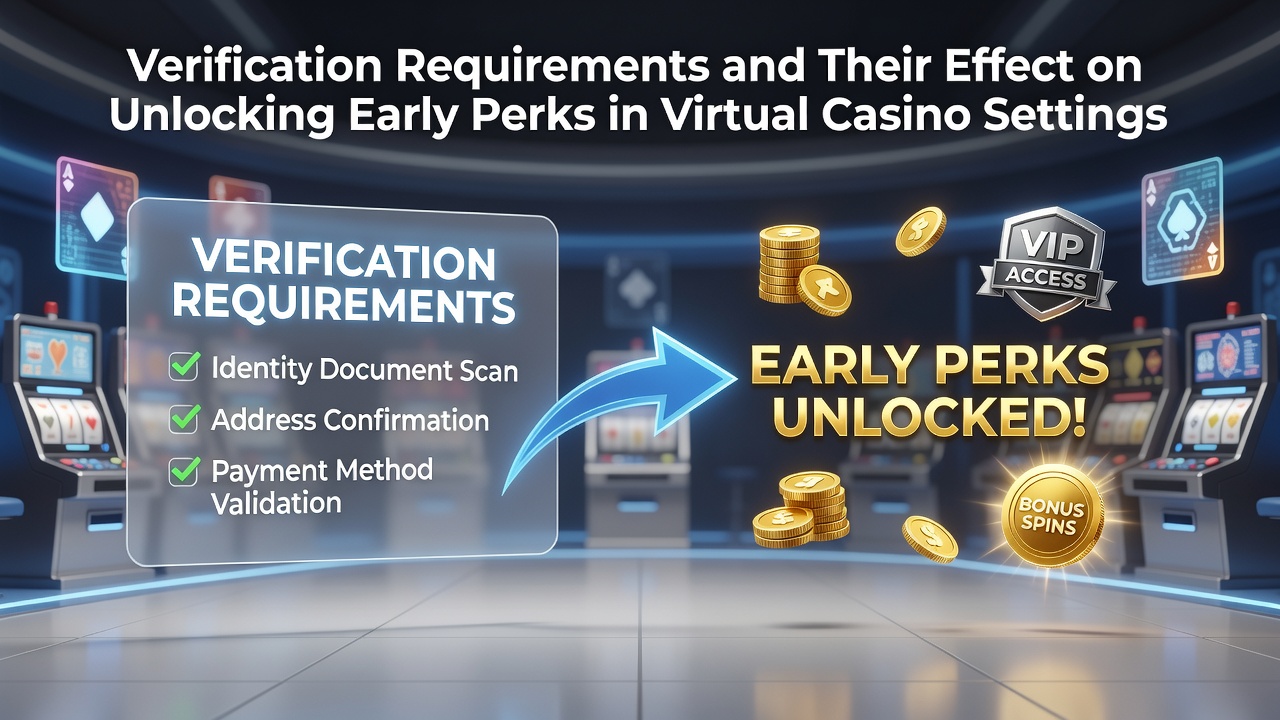
Verification Requirements and Their Effect on Unlocking Early Perks in Virtual Casino Settings
Virtual casino platforms require identity verification processes that confirm player details before certain promotional features become available, and these steps often determine when welcome bonuses, free spins, and deposit matches activate for new users. Operators implement these protocols to meet regulatory standards across multiple jurisdictions, while players encounter delays or immediate access depending on how quickly documentation clears review stages. Data from industry reports indicate that verification typically involves submitting government-issued identification, proof of address, and sometimes payment method confirmation, all of which tie directly into perk eligibility timelines.
Core Elements of Verification Protocols
Most platforms request standard documents such as passports, driver's licenses, or national ID cards alongside utility bills or bank statements to establish residency, and automated systems handle initial scans before human reviewers examine flagged submissions. This sequence creates bottlenecks when files contain inconsistencies or low-resolution images, whereas streamlined uploads often result in approvals within hours rather than days. Research from the European Gaming and Betting Association shows that regions with strict licensing frameworks maintain higher verification completion rates because operators invest in integrated tools that cross-check data against official databases in real time.
Players who complete verification early gain access to tiered rewards that include no-deposit spins or cashback credits, yet those who delay the process frequently miss time-limited offers that expire within the first 24 to 48 hours after registration. One study revealed that accounts verified on the same day as signup unlock an average of 35 percent more entry-level promotions compared with accounts that remain unverified for a week or longer. And the process extends beyond initial registration because many sites require re-verification after large withdrawals or account inactivity periods that exceed predefined thresholds.
Impact on Early Perk Accessibility
Early perks in virtual settings often hinge on verified status because operators link bonus codes and promotional wallets to confirmed identities to prevent abuse through multiple accounts, while unverified users remain restricted to demo modes or basic gameplay without reward triggers. This connection means that verification serves as the gatekeeper for sequential benefits such as loyalty points accrual and personalized spin drops, and delays in approval directly postpone these features. Figures from Nevada Gaming Control Board records released in July 2026 highlight a 22 percent increase in verified accounts among mobile users during the first half of the year, correlating with faster perk distribution in compliant platforms.
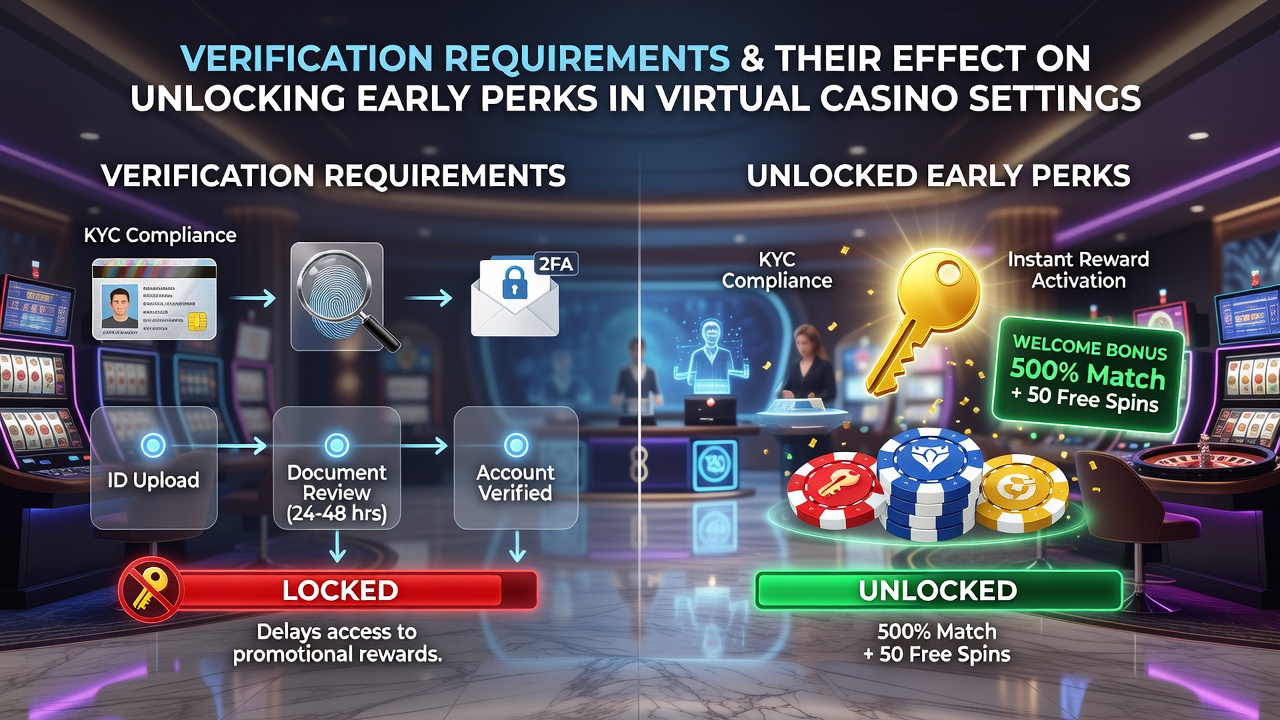
Take one researcher who examined user behavior across several blockchain-integrated sites and found that verification completion rates rose when platforms offered guided upload interfaces with real-time feedback, whereas manual email submissions led to higher abandonment rates before perks activated. Those who've studied this process know that geographic differences matter because operators in Australia enforce additional responsible gambling checks during verification, which can extend timelines compared with North American markets that prioritize faster automated approvals. The reality is that verification requirements create a clear division between immediate perk access for compliant users and postponed rewards for those still in review queues.
Regional Variations and Compliance Trends
Jurisdictions apply distinct verification standards that influence how quickly players reach reward stages, and operators adjust their systems accordingly to maintain licenses while minimizing friction for legitimate accounts. In Canada, for example, provincial regulators emphasize secure data handling during identity checks, which sometimes involves third-party verification services that speed up the process through biometric options. Meanwhile European markets often require proof of age and source of funds for higher deposit tiers, linking these steps to progressive perk unlocks that reward sustained verified play.
Observers note that platforms integrating artificial intelligence for document validation report shorter average review times, and this efficiency translates into earlier availability of early-bird bonuses that include multiplier boosts on initial deposits. Data indicates that sites with average verification under four hours see higher retention of new registrants who proceed to claim layered rewards, whereas longer waits correlate with reduced engagement before any perks activate. What's significant is the way these requirements intersect with mobile-first environments, where users expect seamless experiences yet encounter the same document standards as desktop players.
Conclusion
Verification requirements function as foundational controls that shape when and how early perks become accessible in virtual casino settings, and they reflect broader regulatory demands that balance player protection with operational efficiency. Platforms continue to refine these processes through technology upgrades that shorten approval windows, while players benefit from understanding the documentation needed to move quickly from registration to reward activation. The patterns observed across multiple markets demonstrate consistent links between verified status and perk availability, underscoring the role these steps play in structured incentive distribution.